 Save
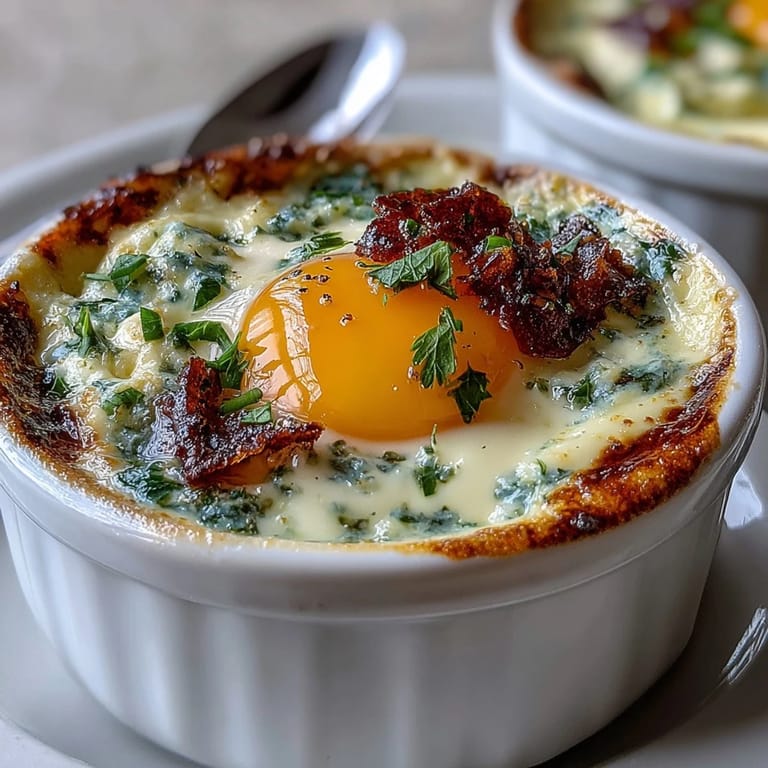
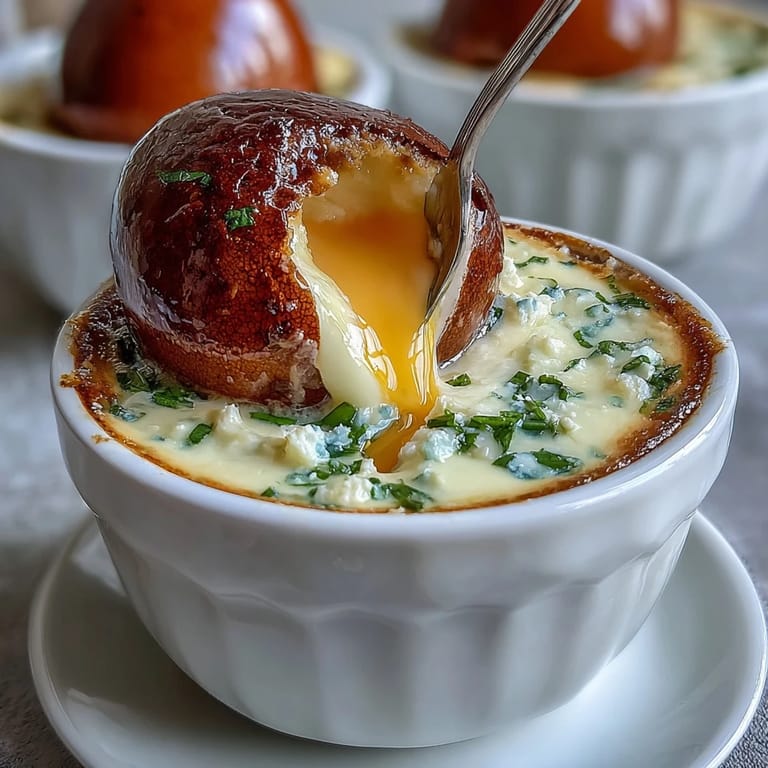
Save Steam curling from my oven always brings a smile, but especially when I pull out ramekins bubbling with eggs en cocotte. The first time I made these, a friend had dared me to create something 'impressively French' for brunch, and my tiny kitchen filled instantly with the irresistible aroma of melting butter and fresh herbs. Even the neighbor's cat seemed tempted, perched on the windowsill as if waiting for an invitation. There's just something so inviting about breaking through that herb-flecked custard to the perfectly runny yolk beneath. It feels refined, yet impossibly comforting at the same time.
The last time I served these eggs en cocotte was for a lazy holiday brunch, where friends gathered around my kitchen table in pajamas, coffee mugs in hand, ready to scoop every creamy bite. Someone inevitably tried to guess my "secret," but I let them think it was something far more complicated than a bit of clever layering and patient baking. There's always a quiet moment when the spoons clink against porcelain and conversation falls away, just for a second. That's when I know the dish has worked its magic.
Ingredients
- Unsalted butter: Greasing the ramekins well ensures the eggs slip out effortlessly, and dotting the tops with butter gives a golden sheen.
- Heavy cream: Pouring a little cream in the ramekin adds luscious richness and helps keep the eggs tender.
- Grated parmesan cheese: A shower of parmesan delivers a salty bite and melts into a delicate crust, but try swapping for Gruyère or goat cheese for variety.
- Large eggs: Fresh, cold eggs hold their shape best; crack them into a small bowl first for easy handling.
- Fresh chives, parsley, and thyme: These herbs bring brightness, but you can mix in your favorites—sometimes I lean heavy on chives for their oniony sparkle.
- Salt and freshly ground black pepper: Season gently before and after baking to highlight every flavor note.
- Extra chives or parsley (optional): A final sprinkle makes each ramekin look extra inviting, especially for brunch guests.
Tired of Takeout? 🥡
Get 10 meals you can make faster than delivery arrives. Seriously.
One email. No spam. Unsubscribe anytime.
Instructions
- Prep the oven and baking setup:
- Set your oven to 375°F 190°C and start a kettle of water to boil, which creates gentle steam for perfect eggs.
- Ready your ramekins:
- Generously coat four 6-ounce ramekins with butter, making sure to get every corner to prevent sticking.
- Layer in the cream:
- Pour 2 tablespoons of heavy cream into each greased ramekin so the eggs bake atop a luxurious, custardy base.
- Add herbs and cheese:
- Scatter half your chopped herbs and a bit of parmesan over the cream, giving each bite fresh flavor and hint of savoriness.
- Crack in the eggs:
- Gently add two eggs per ramekin, taking your time so the yolks stay whole and proud.
- Season and finish layering:
- Sprinkle with salt, pepper, then top with the rest of the herbs, remaining parmesan, and dot each with a pat of butter.
- Bake in a water bath:
- Place ramekins in a baking dish and carefully fill the dish with boiling water until it comes halfway up the sides, making sure not to splash the eggs.
- Bake and test for doneness:
- Slide into the oven and bake 12 to 15 minutes for set whites and soft yolks adding 2–3 minutes if you prefer the yolks more set.
- Cool and serve:
- Take ramekins out of the water bath and let them cool for a couple of minutes before garnishing with extra herbs and serving straight away.
 Save
Save 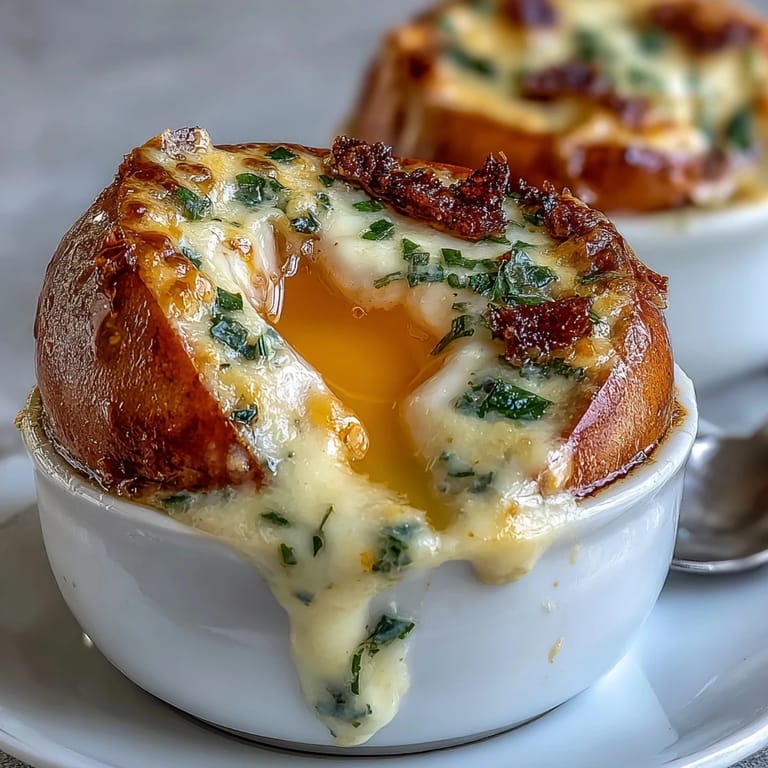 Save
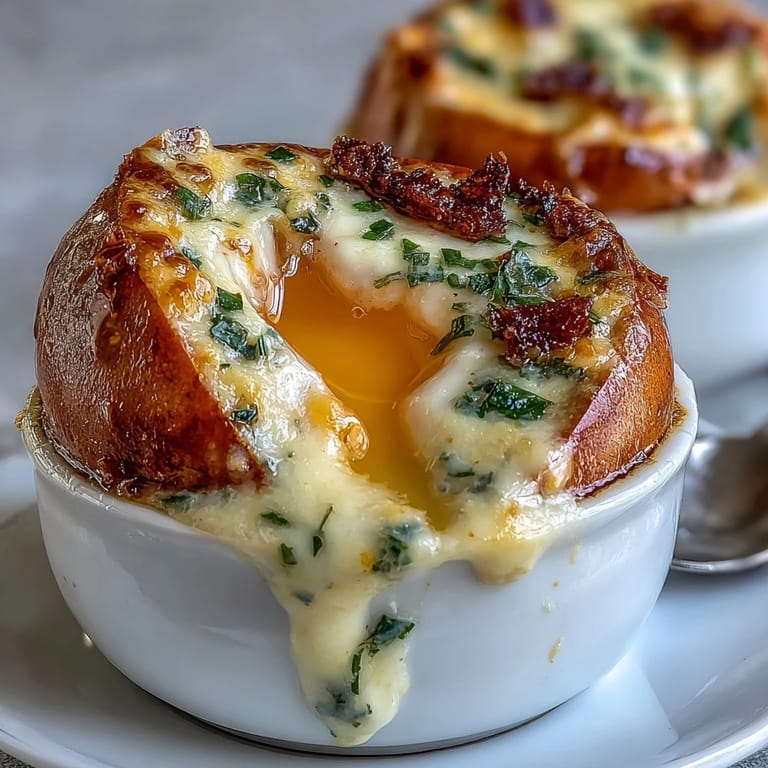
Save There was one weekend I made these in a hurry, but when I finally slowed down for breakfast, every golden yolk felt like a small celebration in the midst of a busy week. Sharing these with loved ones made an ordinary morning feel unexpectedly special.
Ways to Change It Up
One thing I've learned in my kitchen is that this recipe welcomes improvisation. Sometimes I'll sneak a few sautéed mushrooms under the eggs or add a spoonful of pesto for a twist. Varying the herbs or even tossing in a pinch of smoked paprika keeps things interesting—no two brunches are ever quite the same.
Serving Suggestions for Maximum Enjoyment
Spoons at the ready: the real magic comes when you dip perfectly toasted slices of brioche into those creamy, trembling eggs. For extra crunch, I sometimes serve a side of lightly dressed arugula to balance the richness. If I'm feeling really indulgent, a crumble of goat cheese or a sliver of smoked salmon makes each bite feel even more luxurious.
Making It a Breeze Every Time
Baking in a water bath isn't as intimidating as it sounds once you get the hang of it—just add the boiling water after placing the tray in the oven so there's no risk of splashing. For extra insurance, crack your eggs into a cup first to catch any stray shell before sliding them gently into the ramekin. Remember, keeping an eye on the eggs towards the end means you'll capture that perfectly set, soft yolk every time.
- The eggs will keep gently cooking off-heat, so resist the urge to overbake.
- Have all your ingredients prepped before starting; this makes assembly quick and happy.
- Don’t forget to check your cheese if you’re vegetarian—many parmesans aren’t.
 Save
Save 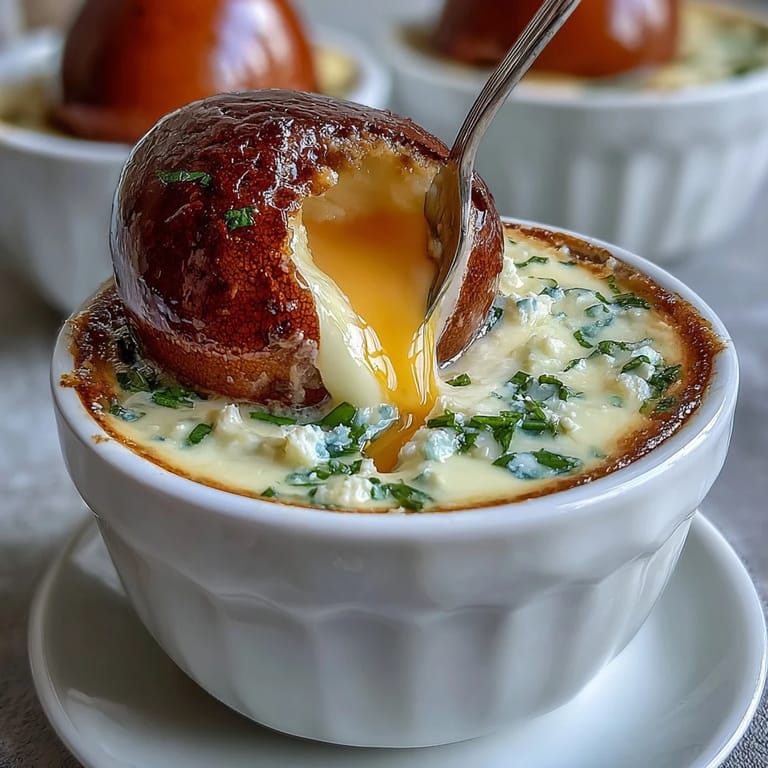 Save
Save Even on the sleepiest morning, eggs en cocotte turn breakfast into a gentle pause filled with warmth and flavor. I hope this brings a bit of that calm luxury to your table too.
Recipe Questions & Answers
- → What oven temperature works best?
Bake at 375°F (190°C) in a water bath for even, gentle cooking. That temperature yields set whites with soft, slightly runny yolks in about 12–15 minutes.
- → Can I assemble ahead of time?
Yes — assemble ramekins, cover, and refrigerate up to 24 hours. Bring to room temperature briefly and add a few extra minutes to the bake time to compensate for the chill.
- → How do I avoid overcooked yolks?
Use the water bath and watch the timing closely. Remove ramekins when whites are set but yolks still wobble slightly; a 1–2 minute rest allows gentle carryover cooking without drying yolks.
- → What cheeses work instead of Parmesan?
Gruyère, goat cheese, or a mild cheddar all work well. Choose a cheese that melts smoothly to enrich the custard without overpowering the herbs.
- → What additions pair well with the eggs?
Thin slices of smoked salmon, prosciutto, or sautéed spinach added to the ramekin base bring flavor and texture. Fresh herbs like chives and parsley brighten the dish.
- → Are ramekins necessary for this method?
Individual ramekins give the classic presentation and even cooking in a bain-marie. Small ovenproof dishes of similar volume can substitute if ramekins aren’t available.