 Save
Save My sister called me three days before Easter asking if I could bring something special to the family table. When I suggested a savory pie, she went quiet—not the doubtful kind, but the kind that meant she was already imagining it. I'd watched my grandmother make versions of this in her kitchen, always with that theatrical moment when she'd slice into the golden pastry and reveal those perfectly centered hard-boiled eggs running through the middle like hidden treasure. That's the image that stuck with me, the one that made me want to master it myself.
I made this for my first Easter hosting my own table. Standing in the kitchen that morning, I felt the weight of it—not the pie, but the wanting to get it right. My hands were shaking a little as I layered the ricotta mixture, and when I positioned those four hard-boiled eggs in their grooves, something shifted. Suddenly it wasn't about perfection anymore. It was about continuity, about feeding the people I loved something made with attention and care.
Ingredients
- Puff pastry (2 sheets, about 500 g total): Use all-butter pastry if you can find it—the flavor difference is noticeable, and it browns more evenly than margarine-based versions.
- Ricotta cheese (250 g): This is your binding agent and cream base; avoid ricotta that's too watery or the filling will be loose.
- Cooked ham (150 g, diced): Quality matters here since it's seasoning your whole pie; ask for it sliced fresh at the deli counter if possible.
- Baby spinach (100 g, wilted and chopped): Wilt it gently and squeeze out excess moisture or your filling becomes watery and the bottom crust gets soggy.
- Grated Parmesan cheese (80 g): Freshly grated makes a genuine difference in flavor intensity compared to pre-grated.
- Eggs (3 large for filling, 4 large hard-boiled for center): Room temperature eggs incorporate more smoothly into ricotta.
- Ground nutmeg (1/2 tsp): This small amount lifts the whole filling into something more sophisticated than it would be without it.
- Black pepper and salt (1/2 tsp each): Taste as you mix because pastry doesn't add seasoning—the filling needs to taste good on its own.
- Olive oil (1 tbsp): A good quality one adds richness and helps the filling stay tender.
- Egg wash (1 egg yolk and 1 tbsp milk): This creates that glossy, golden finish that makes people stop and stare before you even cut into it.
Tired of Takeout? 🥡
Get 10 meals you can make faster than delivery arrives. Seriously.
One email. No spam. Unsubscribe anytime.
Instructions
- Set your stage:
- Preheat your oven to 190°C (375°F) and grease a 23 cm springform or pie pan—greasing it thoroughly means you won't have stuck corners fighting you later. Work with puff pastry straight from thawing, as it's most pliable when it's still slightly cold.
- Line the base:
- Lay one sheet of pastry into your prepared pan, pressing it gently into the bottom and corners without tearing it, and let the edges overhang a bit. This extra pastry becomes your seal when you fold it over the top layer.
- Make your filling magic:
- In a large bowl, combine ricotta, diced ham, your wilted spinach, Parmesan, the three raw eggs, nutmeg, pepper, salt, and olive oil, stirring until everything is evenly distributed and the mixture feels creamy. Don't overwork it—you just need everything incorporated, not whipped.
- Layer strategically:
- Spread half of your ricotta mixture across the pastry bottom, smoothing it gently. This first layer gives your hard-boiled eggs something stable to sit in.
- Position your eggs:
- Use your finger or the back of a spoon to create four shallow grooves running in a line through the ricotta, then gently set each hard-boiled egg into its groove so they sit horizontally. They should nestle in without sinking—if they do, your first layer was too thin.
- Top and seal:
- Spread the remaining ricotta mixture over everything, smoothing the top so it's relatively level. This protects your eggs and keeps them moist during baking.
- Pastry finale:
- Place your second sheet of pastry on top and trim the excess, leaving about 2 cm of overhang, then fold this overhang under itself and crimp the edges with a fork or your fingertip for a rustic seal.
- The golden touch:
- Whisk one egg yolk with 1 tbsp milk until smooth, then brush this across the entire pastry top—this is what gives you that burnished, bakery-quality finish.
- Steam escape:
- Cut 3-4 small slits in the pastry surface with a sharp knife, being careful not to drag and tear it. These little vents prevent the pastry from puffing unevenly and bursting.
- Bake to golden:
- Bake for 40-45 minutes until the pastry is deeply golden and puffed, then let it cool at least 20 minutes before slicing. This resting time lets the filling set so your eggs don't scatter when you cut.
 Save
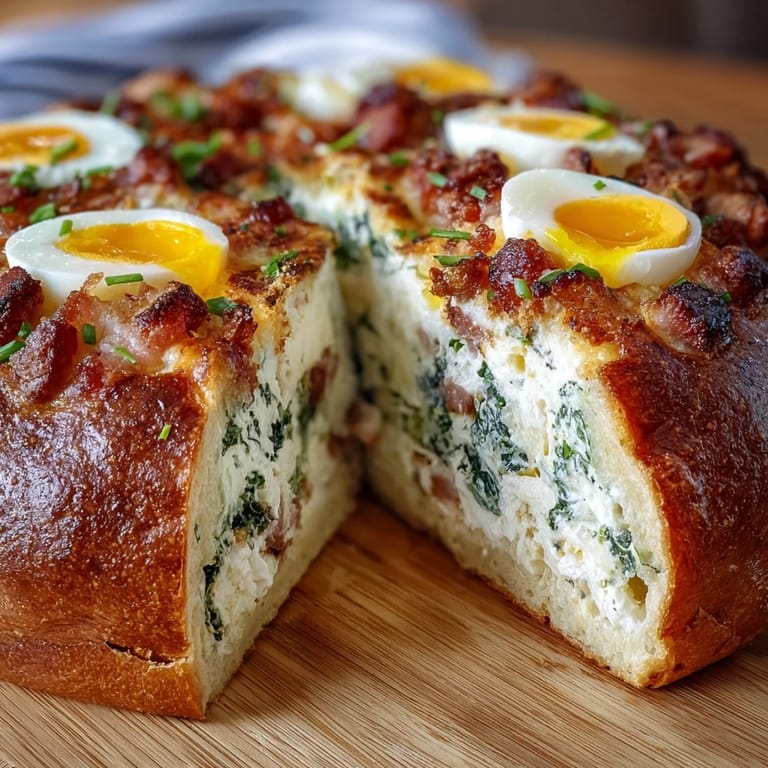
Save When I finally sliced into that pie at the table, there was this moment of quiet before everyone started talking at once. The eggs were there, perfectly centered, exactly as I'd imagined them. My sister caught my eye across the table and just smiled—the kind of smile that says she understood why I'd wanted to get this right.
Why This Pie Became Our Tradition
There's something about a pie that brings people together differently than individual plates do. Everyone gathers around as you slice it, anticipating that moment when the knife breaks through the golden pastry and reveals what's inside. It shifts the energy in the room from hunger to curiosity. This particular pie, with those eggs running through it like a map, became the thing people asked me to bring to Easter after that first year.
Making It Your Own
While the original is perfect, I've learned there's room for personality here. Some years I've added fresh herbs—a handful of parsley or basil stirred into the ricotta changes the flavor profile completely, brightening everything without overwhelming it. Other times I've substituted the spinach with whatever greens I had: Swiss chard, kale, even arugula when I was feeling adventurous. The structure stays the same, but the flavor shifts based on what feels right that day.
Serving and Storage Wisdom
This pie reveals its best self at room temperature, which is honestly the most forgiving way to serve it. Warm it comes out of the oven at its fluffiest, but room temperature lets the layers settle into themselves and the flavors become more pronounced. It keeps beautifully in the refrigerator for up to three days, and cold slices are legitimately good the next day with a simple green salad on the side.
- Always let it cool completely before refrigerating or the steam will make the pastry soggy.
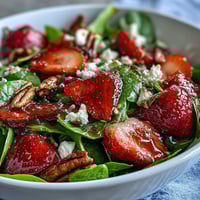
- A bright vinaigrette on fresh greens cuts through the richness perfectly without competing for attention.
- If you're making this ahead, assemble everything the day before and bake it fresh the morning you need it.
 Save
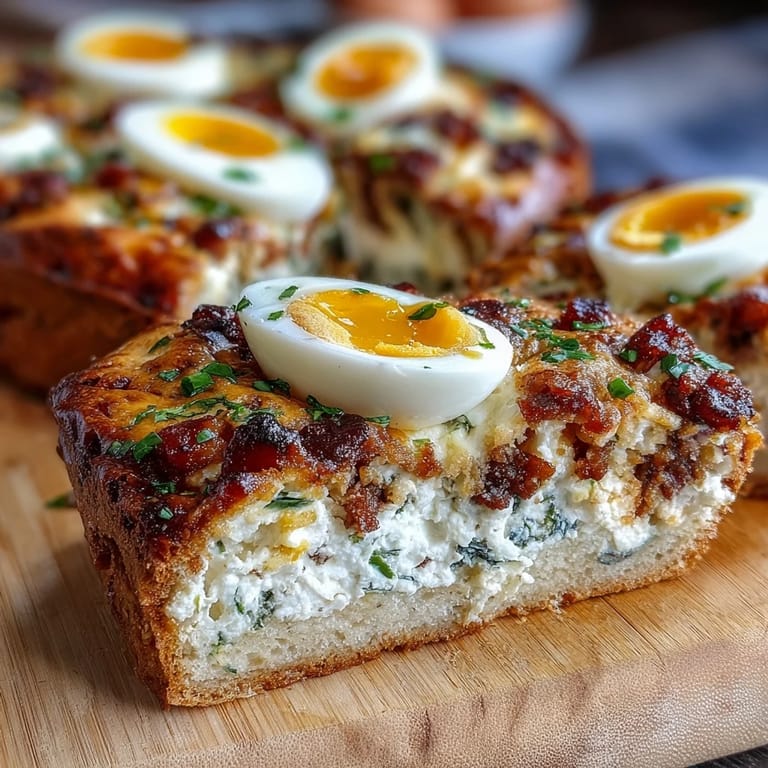
Save This pie is the kind of dish that feeds people and then becomes part of how they remember you in the kitchen. Make it, watch their faces when they see those eggs, and let that moment be enough.
Recipe Questions & Answers
- → How do I ensure the pastry stays crisp?
Use cold puff pastry and bake at a high temperature until golden. Avoid overfilling to keep the crust flaky and crisp.
- → Can I prepare the pie in advance?
Yes, assemble and refrigerate it before baking. Bake just before serving to retain the best texture and warmth.
- → What can substitute spinach in the filling?
Swiss chard or kale work well as alternatives, offering similar texture and flavor profiles.
- → How do the hard-boiled eggs affect the pie?
They create a distinctive visual cross-section and add a rich, creamy texture that complements the savory filling.
- → What herbs complement this pie best?
Fresh parsley or basil enhance the pie with bright, fragrant notes without overpowering the main ingredients.