 Save
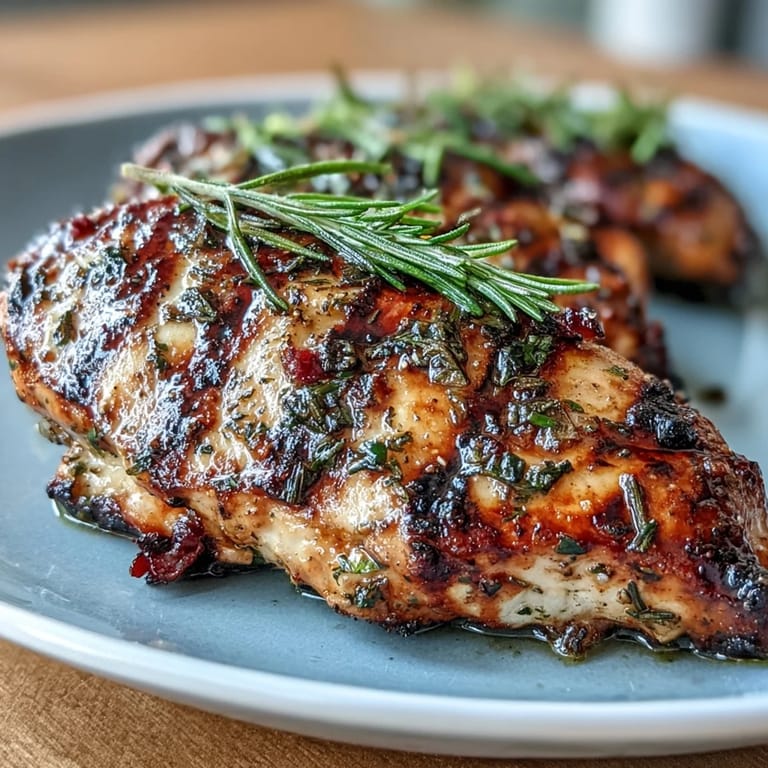
Save My neighbor knocked on the fence one summer evening asking what smelled so good, and honestly, I hadn't thought twice about this grilled herb chicken until that moment. There's something about the combination of fresh rosemary and lemon that travels through the air and makes people stop what they're doing. That night, I ended up inviting them over on the spot, and what started as a simple weeknight dinner became one of those meals that people actually remember. The beauty of this recipe is how effortless it feels once you understand the basic rhythm of marinating and grilling.
I made this for my sister's first dinner party in her new apartment, and she was so nervous about impressing her new friends that she asked me to come early and help. By the time the marinade was in the fridge, she'd already relaxed enough to laugh at herself for overthinking everything. When those chicken breasts hit the grill pan and started sizzling, even her anxiety seemed to sizzle away with them. The guests raved about how simple yet elegant it all felt, and she got to take the credit, which was the whole point.
Ingredients
- Boneless, skinless chicken breasts: Four good-sized ones are the foundation here, and I've learned that pounding them slightly to an even thickness helps them cook uniformly without drying out the edges.
- Olive oil: Use something you actually like tasting because it's doing real work in the marinade, not just lubricating a pan.
- Fresh lemon juice: This is non-negotiable—bottled lemon juice tastes like defeat, and your marinade deserves better.
- Fresh rosemary and thyme: If you have fresh herbs, use them; if not, dried works perfectly fine, just use half the amount since dried herbs are more concentrated.
- Garlic, minced: Two cloves is gentle enough that the flavor whispers rather than shouts, which I prefer.
- Salt and black pepper: These aren't afterthoughts; they're doing the actual seasoning work here.
- Carrots, parsnips, and potatoes: Cut everything to about the same size so they finish roasting at the same time—this matters more than you'd think.
- Red onion: The wedges caramelize beautifully and add a slight sweetness that balances the earthiness of the root vegetables.
- Dried thyme for the vegetables: A separate batch because the vegetable seasoning profile needs to stand on its own.
Tired of Takeout? 🥡
Get 10 meals you can make faster than delivery arrives. Seriously.
One email. No spam. Unsubscribe anytime.
Instructions
- Build your marinade:
- Whisk together the olive oil, lemon juice, fresh herbs, minced garlic, salt, and pepper in a bowl, and take a moment to actually smell it—that's what good smells like. Add your chicken breasts and make sure every surface gets coated in that fragrant mixture.
- Let it sit:
- Refrigerate for at least 15 minutes, though if you have time, 2 hours is when the chicken really starts to sing. Even 15 minutes makes a noticeable difference over using it raw.
- Prep your vegetables:
- While the chicken hangs out in the cold, cut your carrots, parsnips, potatoes, and red onion into roughly equal-sized chunks—aim for about an inch each. Toss them with olive oil, dried thyme, salt, and pepper until every piece is glistening.
- Get the oven going:
- Crank it to 425°F and line a baking sheet with parchment paper because cleanup matters and burnt-on vegetables are nobody's friend. Spread your vegetables in a single layer and slide them into the heat.
- Grill the chicken:
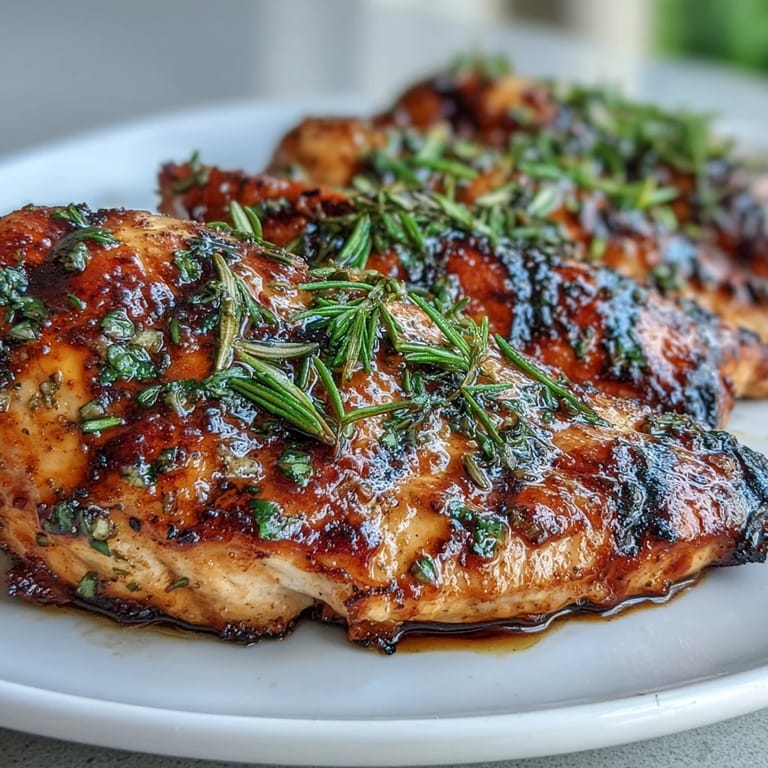
- While vegetables roast, heat your grill or grill pan over medium-high heat—you want it hot enough that water droplets sizzle and dance on contact. Pull the chicken from its marinade (let excess drip off) and place it on the grill, cooking for 6 to 7 minutes per side depending on thickness.
- Check for doneness:
- The internal temperature should hit 165°F if you have a thermometer, but if not, make a small cut in the thickest part and look for no pink. Let the chicken rest for 5 minutes after cooking—this step is actually important because it keeps the juices from running all over your plate.
- Bring it together:
- By now your vegetables should be golden and tender from about 30 to 35 minutes of roasting. Slice your rested chicken if you want, plate everything together, and watch people actually sit down and appreciate the meal.
 Save
Save There's a specific moment when you pull that golden chicken off the grill and it's still steaming, and you set it beside those caramelized vegetables, and you realize you've made something that tastes like you spent hours fussing when really you just paid attention for 55 minutes. That feeling never gets old.
The Magic of Proper Marinating
I used to think marinades were optional flavor boosters, but this one actually changes the texture of the chicken by breaking down the proteins just slightly, which sounds scientific but essentially means your chicken gets tender instead of rubbery. The acid from the lemon juice combined with the oil and herbs creates an environment where moisture actually stays put during cooking. This is why 15 minutes makes a real difference, and why overnight in the fridge would make it even better.
Making Root Vegetables Irresistible
The real revelation with roasted root vegetables is that they need heat, space, and patience—all three working together. When they're crowded on the pan, they steam instead of caramelize, and steamed vegetables taste like something was done to them rather than something delicious. When you spread them out and let them get actual color, the natural sugars concentrate and intensify, which is why a simple carrot suddenly tastes like it was meant to taste this way all along.
Variations and Adaptations
The structure of this meal is forgiving enough that you can swap ingredients based on what you have or what season it is. In fall, I'll sometimes use sweet potatoes and add a tiny bit of maple syrup to the vegetable oil. In winter, I've done turnips and parsnips with slightly more garlic. The herb chicken part stays pretty constant because that combination just works, but the vegetable side is genuinely flexible. Consider these quick ideas if you want to switch things up.
- Toss the finished vegetables with crumbled feta cheese and fresh parsley for brightness and a salty contrast.
- If you don't have a grill, a hot cast-iron skillet works just fine and actually gives you better crust control.
- This pairs beautifully with something acidic like a crisp white wine or even just a simple green salad with lemon vinaigrette.
 Save
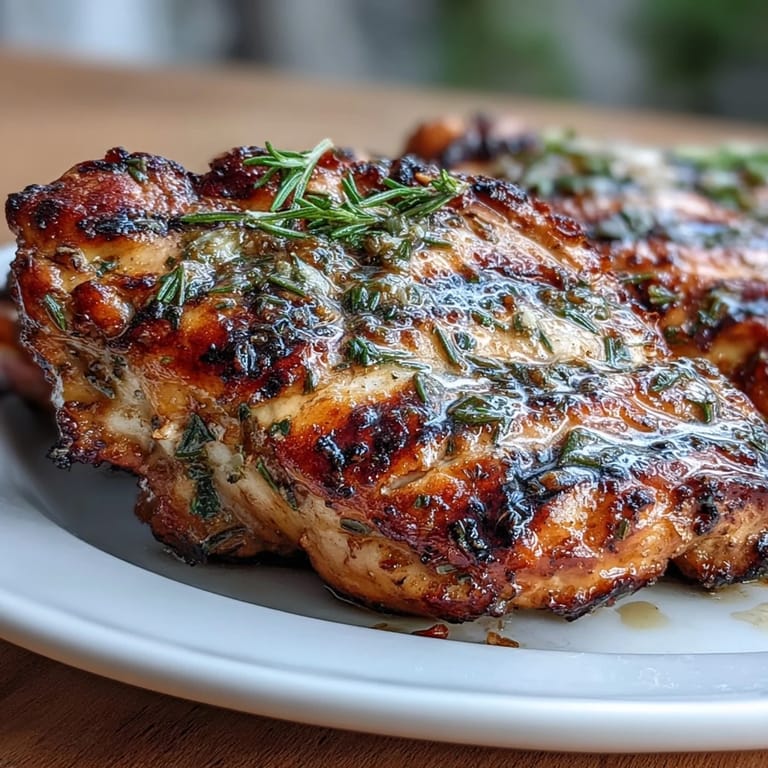
Save This is one of those recipes that gets better every time you make it because you start understanding why each step matters instead of just following orders. Once you get there, you'll make it again and again without thinking twice.