 Save
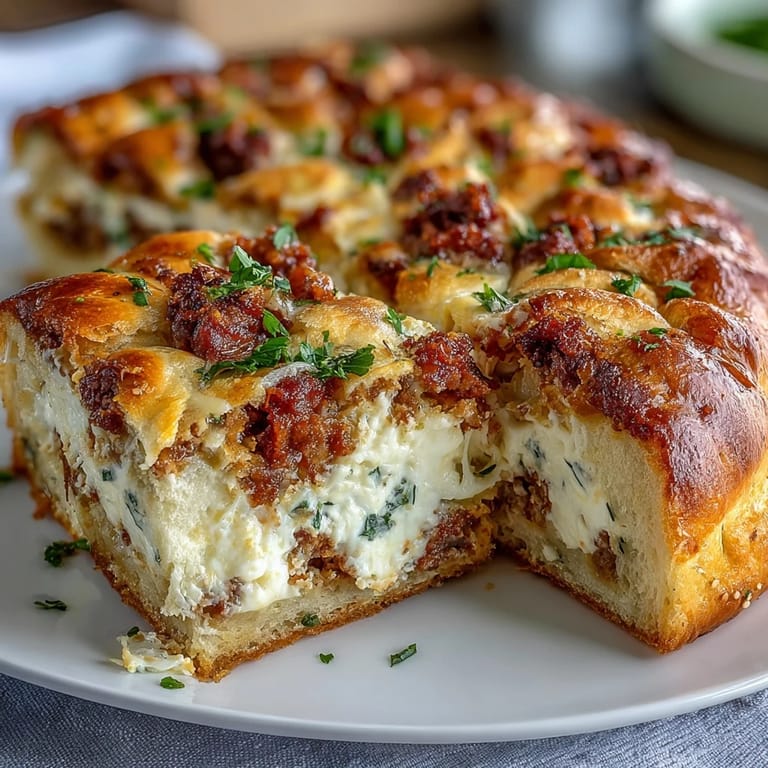
Save My nonna's kitchen smelled like butter and nutmeg every Easter morning, but it wasn't until I watched her assemble this pie that I understood why she called it the heart of the holiday. She'd stand at her counter with her sleeves rolled up, moving between bowls with the kind of quiet confidence that comes from making the same dish for fifty years. The first time I tried making it myself, I was nervous about the lattice work, but she simply shrugged and said the filling is what matters most anyway. This savory Italian Easter pie has become my own Easter tradition now, and every time I bake one, I hear her voice reminding me to taste the ricotta before I use it.
I brought this pie to a potluck once where nobody knew what it was, and watching people take their first bites was like witnessing a small revelation. A friend who swore she didn't eat savory pies came back for seconds, then thirds, asking for the recipe with genuine urgency in her voice. That's when I realized this isn't just a holiday dish, it's a conversation starter that brings people together around the table.
Ingredients
- All-purpose flour: The structure of your pastry depends on this, and using cold water to bring it together keeps it tender and flaky rather than tough.
- Unsalted butter: Cold and cubed is non-negotiable, as warm butter will make your crust greasy and dense instead of light and crispy.
- Eggs: Four go into the filling for richness and structure, and one more brushed on top gives you that gorgeous golden shine.
- Whole-milk ricotta cheese: Drain it well in advance so it isn't watery, otherwise your pie filling will be soupy and won't set properly.
- Heavy cream: This adds luxurious texture and helps the filling stay silky when baked.
- Parmigiano-Reggiano cheese: The aged, nutty flavor is essential here and won't be the same with younger cheeses or pre-grated versions which contain anti-caking agents.
- Italian salami: Diced into small cubes so every bite has a pop of salty, peppery flavor throughout the creamy filling.
- Mozzarella cheese: Shredded fresh mozzarella melts beautifully and adds a mild, creamy element that balances the salami's boldness.
- Fresh parsley: Chopped just before using so it stays bright and adds a fresh herbal note.
- Nutmeg: A quarter teaspoon is all you need to add warmth and depth without overpowering the savory elements.
Tired of Takeout? 🥡
Get 10 meals you can make faster than delivery arrives. Seriously.
One email. No spam. Unsubscribe anytime.
Instructions
- Make the pastry dough:
- Combine flour and salt in a bowl, then cut in the cold cubed butter using your fingertips or a pastry cutter until the mixture looks like coarse breadcrumbs with pea-sized pieces of butter still visible. Add the eggs and enough cold water slowly until the dough just comes together, being careful not to overwork it or your crust will be tough.
- Chill the dough:
- Wrap your dough in plastic and refrigerate for at least 20 minutes, which allows the gluten to relax and the butter to stay cold, ensuring a flaky crust when baked. I sometimes chill mine longer and find the dough is even easier to work with.
- Line the pan:
- On a floured surface, roll out two-thirds of the dough into a circle large enough to cover the bottom and sides of your springform pan with a slight overhang. Transfer it gently and press it into place, letting the excess hang over the edge.
- Prepare the filling:
- In a large bowl, combine the well-drained ricotta with the eggs, heavy cream, and both cheeses, stirring until smooth and creamy. Fold in the diced salami, parsley, salt, pepper, and nutmeg, making sure everything is evenly distributed so no bite is salami-heavy or bland.
- Fill the pie:
- Pour the creamy ricotta mixture into your pastry-lined pan and smooth the top with a spatula so it bakes evenly. The filling should come almost to the top of the pan.
- Create the lattice top:
- Roll out the remaining pastry and cut it into strips about half an inch wide using a sharp knife or pastry wheel. Lay the strips in a crisscross pattern over the filling, pressing the ends gently into the overhanging edges of the bottom crust.
- Seal and brush:
- Fold the overhanging pastry up and over the lattice edges, crimping with your fingers or a fork to seal everything together. Brush the entire top, including the lattice and edges, with beaten egg, which gives you that beautiful golden color.
- Bake until golden:
- Place in a preheated 375°F oven for 55 to 60 minutes, watching for a golden-brown crust and checking that the filling is set by gently jiggling the pan. If the edges brown too quickly, tent them loosely with foil after 35 minutes.
- Cool and serve:
- Let the pie cool for at least 30 minutes before slicing so the filling sets completely and holds its shape. It tastes wonderful warm or at room temperature, and even cold from the refrigerator the next day.
 Save
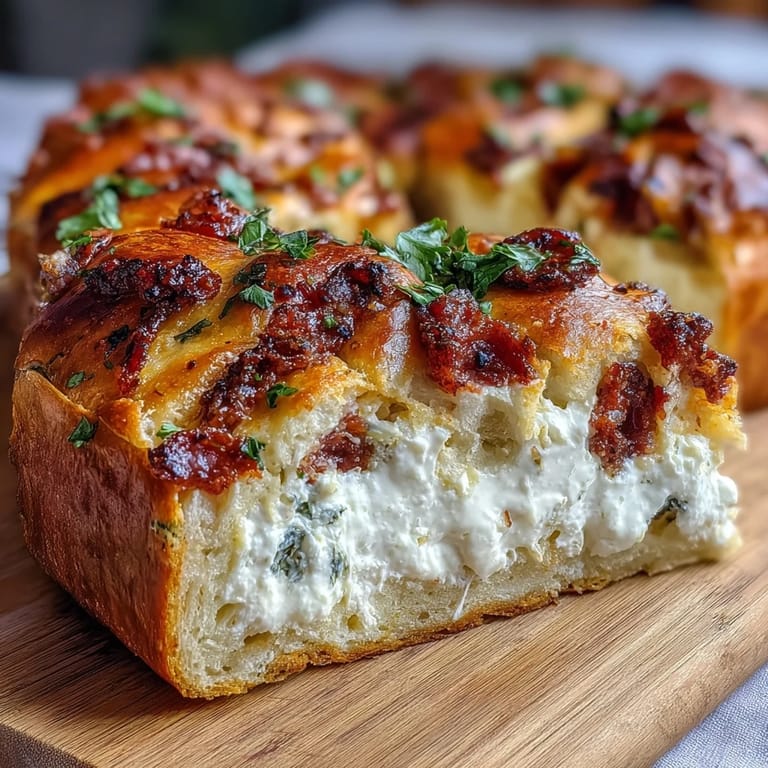
Save Last Easter, my daughter asked why we couldn't make this pie in the summer, and I realized that tradition had made me forget this is really just a delicious savory custard pie that works any time of year. Now we make it whenever we want to feel like we're celebrating something, which turns out to be more often than I expected.
Pastry Secrets That Actually Matter
The difference between a flaky crust and a dense one comes down to three things: cold butter, not overworking the dough, and letting it rest before baking. I learned this the hard way after making a version that turned into something closer to a biscuit, and it taught me to respect the chilling steps instead of rushing through them. Your hands warm the dough, which is why some bakers use ice water and even chill their bowls beforehand.
Making It Your Own
While the traditional version uses salami, this pie is genuinely flexible about what goes into the filling, and I've made memorable versions with prosciutto, cooked ham, or roasted vegetables. My vegetarian friend requested a version with sautéed spinach and artichokes, and it was just as satisfying, proving that the creamy ricotta-egg custard is the real star of the show. The key is maintaining the same proportion of ricotta, eggs, and cream so the filling sets correctly.
Serving and Storage Tips
This pie is actually forgiving about timing since it tastes wonderful warm, at room temperature, or even straight from the refrigerator, which makes it ideal for busy holiday schedules. Leftover slices wrapped individually in foil keep for three to four days, and I've reheated them gently in a low oven to restore the pastry's crispness.
- Slice with a hot, wet knife dipped in water between each cut to get clean, beautiful pieces.
- Pair it with a simple green salad dressed in lemon vinaigrette to balance the richness of the filling.
- Make it the morning of, cover it loosely with foil, and pop it in the oven about an hour before you want to serve it.
 Save
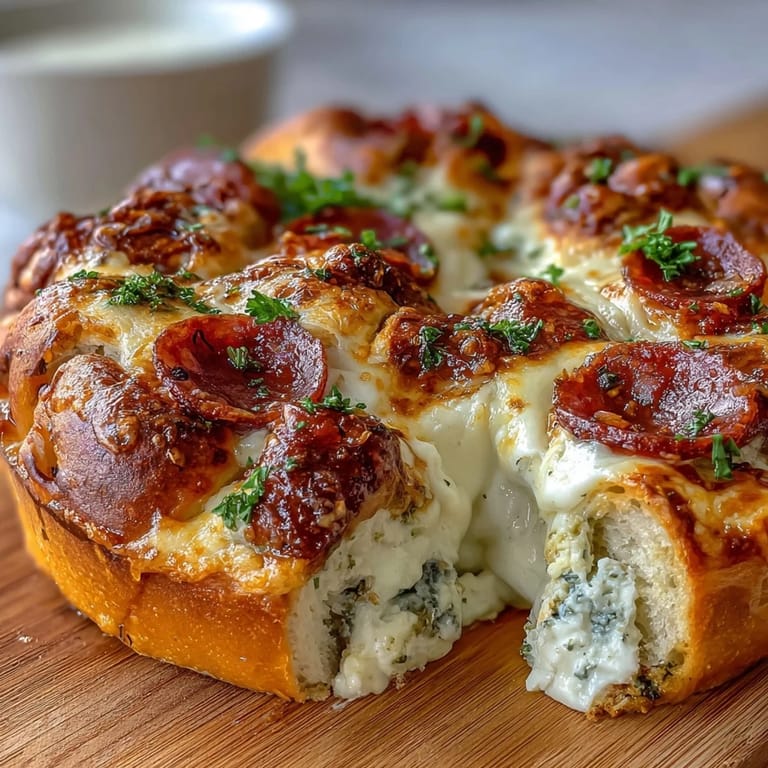
Save This pie has a way of becoming a tradition once you make it, and honestly, that's the highest compliment any recipe can receive. Make it, share it, and watch it become part of someone else's holiday memory too.
Recipe Questions & Answers
- → What type of cheese is used in the filling?
The filling includes well-drained whole-milk ricotta, grated Parmigiano-Reggiano, and shredded mozzarella for creaminess and depth of flavor.
- → Can I substitute the salami with other ingredients?
Yes, prosciutto or cooked ham can be used instead, or omit meats altogether and add sautéed spinach or artichokes for a vegetarian option.
- → How long should the pie cool before serving?
Let the pie cool for at least 30 minutes after baking to allow the filling to set and flavors to meld, enhancing slicing and serving.
- → What is the recommended baking temperature and time?
Bake at 375°F (190°C) for 55–60 minutes until the crust is golden brown and the filling is set.
- → How is the lattice crust formed and finished?
The remaining pastry is rolled thin and cut into strips, then arranged in a lattice pattern over the filling. The crust is brushed with beaten egg for a shiny, golden finish.
- → Can the pie be served cold or only warm?
While best served slightly warm or at room temperature, the pie also keeps well refrigerated for later enjoyment.