 Save
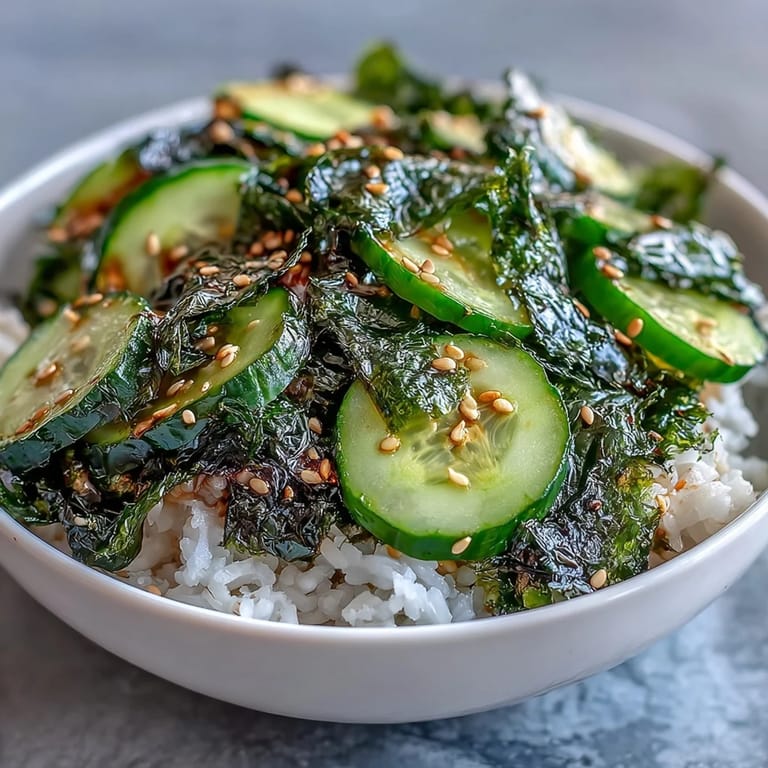
Save There's something about the smell of sushi rice cooling on the counter that makes me pause mid-task, just to breathe it in. My first bowl like this came together on a lazy Sunday when I'd picked up fresh nori at the market and wanted something light but satisfying that wouldn't keep me in the kitchen all afternoon. What started as a simple idea—rice, seaweed, cucumber—turned into this umami-packed ritual I've returned to again and again, especially when I need grounding.
I made this for my partner one evening when they were exhausted from work, and watching them light up at how vibrant and restorative it felt taught me something about food beyond nutrition. The way the nori rustled as they picked up the bowl, the soft exhale of satisfaction—it became less about the recipe and more about creating a moment of care in an ordinary Tuesday.
Ingredients
- Sushi rice: The foundation matters here; this short-grain rice actually absorbs seasoning in a way that makes each grain taste intentional rather than just a vehicle for toppings.
- Water: The ratio of 1.25 to 1 is precise because overcooked sushi rice turns mushy and loses that slight firmness you're after.
- Rice vinegar: This acidity is what makes the rice sing; it brightens everything without tasting vinegary if you get the balance right.
- Sugar and salt: Together they balance the vinegar's sharpness and bring out the rice's natural sweetness.
- Nori sheets: Buy the ones meant for hand rolls or nigiri, not the crumbled variety, so you can cut them into proper strips that stay crisp.
- Dried wakame seaweed: Rehydration takes just minutes and transforms it into something tender with oceanic depth; don't skip this step or it'll taste bitter and tough.
- Cucumber: Choose one that's firm and crisp; the cool crunch is essential to balancing the rice's warmth.
- Scallions: They add a gentle onion bite that keeps the bowl from feeling one-dimensional.
- Toasted sesame seeds: Toast them yourself if you have time; the difference between store-bought toasted and freshly done is subtle but real.
- Pickled ginger and furikake: Optional but they're the small details that make this feel less like a quick lunch and more like something you chose to care about.
Tired of Takeout? 🥡
Get 10 meals you can make faster than delivery arrives. Seriously.
One email. No spam. Unsubscribe anytime.
Instructions
- Rinse and cook the rice:
- Run cold water over the rice, stirring with your fingers until the water stops looking cloudy—this removes excess starch so the grains stay separate. Combine with water in your saucepan, bring to a boil uncovered, then cover, drop the heat low, and let it simmer undisturbed for 15 minutes until the water disappears. Remove from heat, keep it covered, and let it sit for 10 minutes so the steam finishes the cooking.
- Make the seasoning:
- Whisk together rice vinegar, sugar, and salt in a small bowl, then microwave for 20 seconds so the sugar dissolves completely. Once the rice has rested, gently fold this mixture in with a rice paddle or wooden spoon, turning the rice over itself rather than stirring, so you don't break the grains. The rice should glisten and smell faintly sweet and tangy.
- Prepare the seaweed:
- While the rice cools slightly, place the wakame in a bowl of water and let it soften according to the package (usually 5 minutes), then drain it in a fine strainer and give it a gentle squeeze. Cut your nori sheets into thin strips using a sharp knife or kitchen scissors, which keeps the edges clean and crisp.
- Slice your vegetables:
- Use a sharp knife to slice the cucumber into thin half-moons; if it's particularly watery, pat the slices dry so they don't make the rice soggy. Slice your scallions on a slight angle so they look more intentional and distribute better across the bowl.
- Assemble the bowls:
- Divide the cooled rice between two bowls, then arrange your toppings on top in a way that feels balanced to you—nori strips, wakame, cucumber slices, and scallions distributed so every spoonful gets a mix. The visual arrangement actually matters because it signals that this is something you took time with.
- Finish and serve:
- Sprinkle sesame seeds across the top, add a small mound of pickled ginger to the side if using it, and dust with furikake for extra umami if you have it. Serve right away while the rice is still warm and the nori strips maintain their slight crispness, with soy sauce on the side for tasting as you go.
 Save
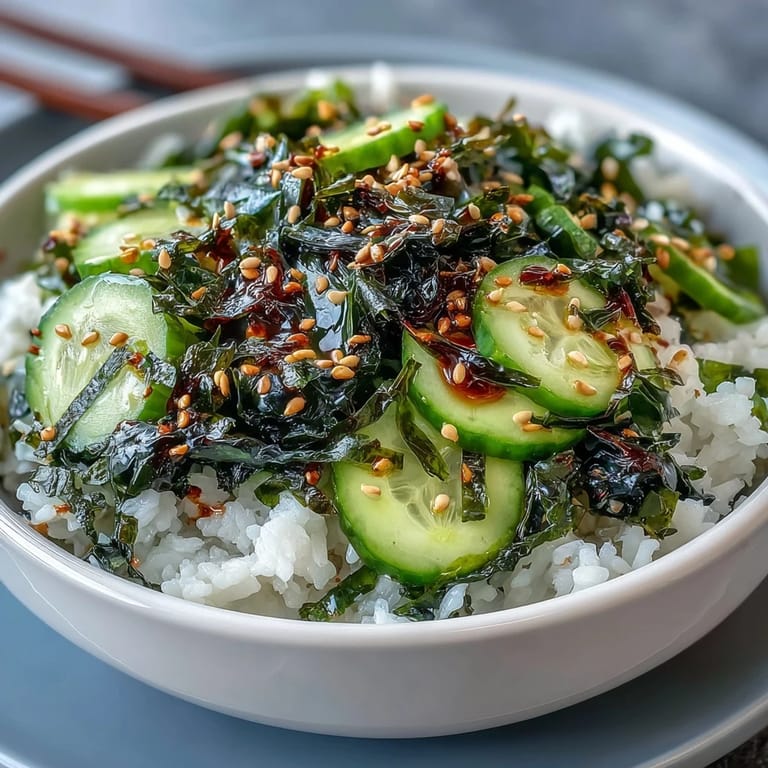
Save There's a moment, right before the first bite, when I look at this bowl and notice how the different greens catch the light—the deep forest of nori, the pale translucence of cucumber, the bright seaweed—and it reminds me why simple food, made with intention, stays with you longer than anything complicated ever could.
Why This Bowl Feels Complete
The balance in this recipe works because every element has a reason. The warm rice provides comfort and substance, the cool vegetables offer texture contrast, the seaweed brings umami depth, and the sesame seeds add a toasty earthiness that ties everything together. You're not just eating rice with toppings; you're experiencing a conversation between warm and cool, soft and crisp, subtle and boldly savory.
Building Your Own Variations
This bowl is a foundation rather than a rigid formula, which is what makes it so valuable to know well. I've added avocado slices on mornings when I wanted something richer, scattered edamame when I needed extra protein, or layered in shredded carrot for color and sweetness. Some versions include a soft-boiled egg (yolk still runny) that you mix into the warm rice, or marinated tofu if you're keeping it fully plant-based and want something that tastes deliberately seasoned rather than plain.
Making It Your Own
The beauty of this recipe is that it invites experimentation without demanding it. You can keep it austere and meditative with just rice, nori, cucumber, and sesame, or you can load it with additions until it becomes your own signature version. The fundamentals—properly seasoned rice, rehydrated seaweed, fresh vegetables, and that toasted sesame finish—stay the same, but everything else responds to what you have on hand and what your body is asking for on any given day.
- Toast your sesame seeds in a dry pan for 2 minutes to deepen their flavor and aroma before sprinkling them on.
- If you can't find fresh nori sheets, quality dried ones work just as well and last much longer in your pantry.
- Serve with a small dish of wasabi on the side if you want to add heat without committing the entire bowl to spice.
 Save
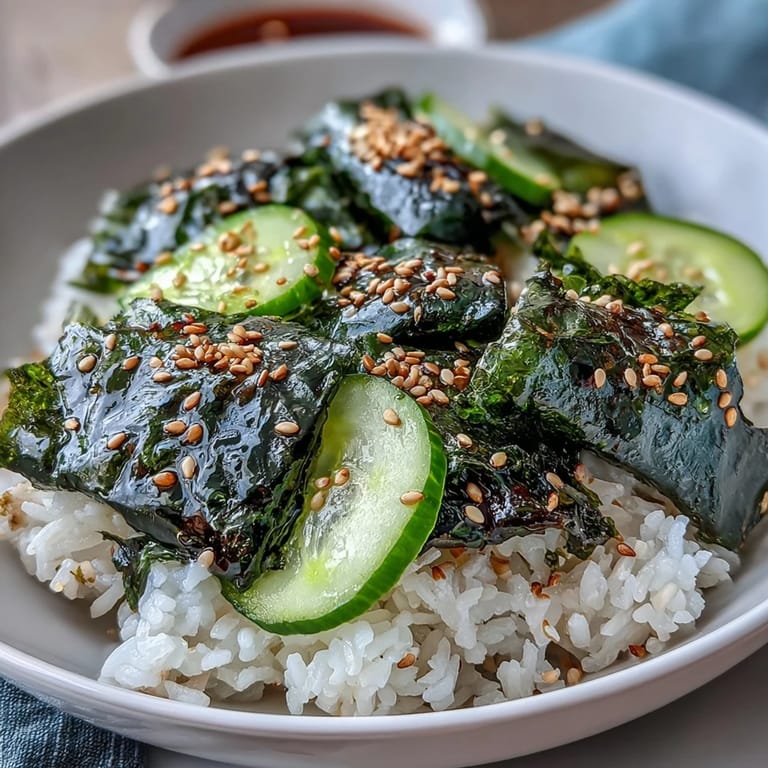
Save This bowl has become my answer to the question I ask myself most mornings: what do I actually want to eat? It's nourishing without being heavy, simple enough to make on a busy day but refined enough that it feels like care. That's the recipe that stays.
Recipe Questions & Answers
- → How do I prepare sushi rice for this bowl?
Rinse the sushi rice until water runs clear, cook with measured water, then season with a mix of rice vinegar, sugar, and salt folded into warm rice.
- → What types of seaweed are used?
This bowl uses thinly sliced nori sheets and rehydrated wakame seaweed to provide different textures and umami flavors.
- → Can I add protein to the bowl?
Yes, options like marinated tofu or a soft-boiled egg can be added for extra protein, while keeping it vegetarian or vegan.
- → What garnishes enhance flavor?
Toasted sesame seeds add nuttiness, furikake brings extra seasoning, and pickled ginger offers a refreshing tang.
- → Is this dish suitable for vegan diets?
Yes, it’s naturally vegan and dairy-free if using soy sauce and furikake without animal additives.
- → How long does the preparation take?
About 35 minutes total, including cooking sushi rice and assembling the bowl with fresh ingredients.