 Save
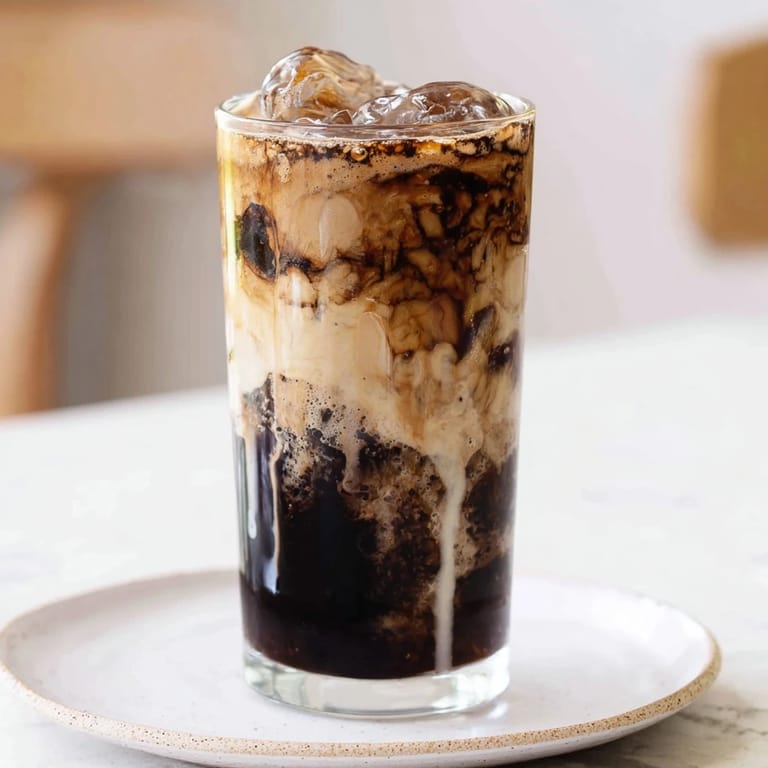
Save There's something almost theatrical about watching a glossy ribbon of melted chocolate settle onto cold milk and espresso, creating a delicate shell that fractures the moment you touch it with a spoon. I discovered this drink by accident one summer afternoon when I was trying to salvage a batch of chocolate that had seized in the microwave—too thick to drink as hot chocolate, too good to waste. Instead of tossing it, I poured it over an iced latte I'd made minutes before, and the result was so unexpectedly satisfying that it's become my favorite way to slow down on warm days.
I made this for my roommate one morning when she was stressed about a work presentation, and watching her face light up as she broke through that chocolate layer somehow felt like the small kindness the moment needed. She's been asking me to make it every weekend since, which is saying something coming from someone who usually just grabs instant coffee on her way out the door.
Ingredients
- Freshly brewed espresso (2 shots, 60 ml): The backbone of this drink—don't use day-old coffee or instant espresso powder, as the fresh crema makes a real difference in how the chocolate eventually settles on top.
- Whole milk or plant-based alternative (1 cup, 240 ml): Use whatever you have on hand; oat milk creates a richer body than almond, but both work beautifully and won't break when the hot espresso meets it.
- Dark or milk chocolate, chopped (80 g): Chop it finely so it melts evenly and won't leave grainy bits floating in your drink.
- Coconut oil (1 tsp, optional): This tiny addition gives the chocolate layer a satisfying snap when you crack it, almost like biting into a thin shell.
- Simple syrup or sugar (1–2 tsp, optional): Taste as you go; some people skip this entirely if their chocolate is sweet enough.
- Ice cubes (2 cups): Don't skimp on the ice—it keeps the drink properly cold and makes the chocolate set faster.
Tired of Takeout? 🥡
Get 10 meals you can make faster than delivery arrives. Seriously.
One email. No spam. Unsubscribe anytime.
Instructions
- Brew and cool your espresso:
- Pull two shots and let them rest while you prepare the rest of the drink. This gives them a moment to cool slightly without losing that fresh, bright flavor.
- Melt the chocolate gently:
- Chop it first, then melt it in the microwave in 30-second bursts, stirring between each one, or use a double boiler if you prefer. The moment it looks glossy and flows easily, stop—overheating makes it grainy and bitter.
- Fill your glasses with ice:
- Pack it down a little so the cubes stay put when you pour liquid over them. The cold glass helps set the chocolate faster, which is half the magic.
- Pour cold milk and add sweetener:
- Pour ½ cup into each glass, then add a teaspoon of simple syrup or sugar if you want it sweetened. Stir gently to combine.
- Add the espresso:
- Slowly pour one shot into each glass, watching it thread through the milk and ice. Go slow enough that it creates layers at first, though they'll blend as you drink.
- Top with melted chocolate:
- This is the moment that matters—use a spoon or the back of a teaspoon to gently drizzle or spoon the chocolate over the surface in a thin, even layer. Let it settle and cool for just a few seconds.
- Serve and crack:
- Bring it to whoever's waiting, hand them a spoon or a wide straw, and watch their face when they break through that chocolate shell for the first time.
 Save
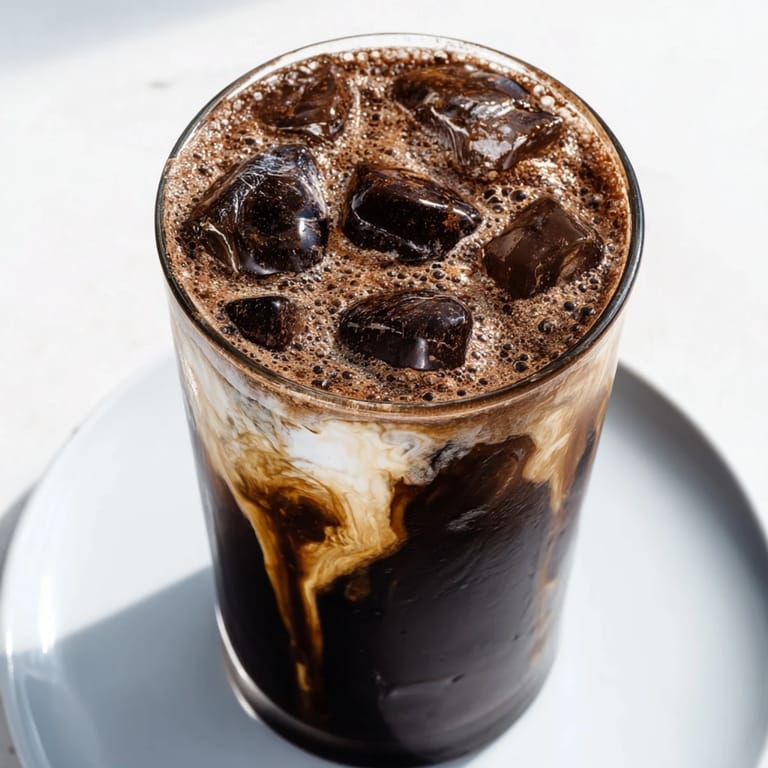
Save I remember sitting in a café once and noticing someone stir their drink in a way that looked almost meditative, cracking the chocolate deliberately and watching it dissolve into swirls. That's when I realized this drink isn't just about taste—it's about the small ritual of breaking something beautiful before you enjoy it.
Why the Chocolate Layer Works
Chocolate on top of cold liquid is a textural dream because it stays solid long enough for you to anticipate the moment, but melts instantly once it hits your tongue. The slight snap you get from adding coconut oil isn't just a gimmick—it changes the mouthfeel from creamy to almost crispy, which sounds odd until you experience it. Think of it as the difference between eating mousse and eating a chocolate shell: both delicious, but totally different sensations.
Customizing Your Cracking Latte
The skeleton of this drink is so simple that it practically begs you to play around with it. I've made it with white chocolate when I wanted something sweeter, with a tiny pinch of sea salt mixed into dark chocolate for complexity, and once with crushed freeze-dried raspberries pressed into the chocolate before it set. Even changing the type of milk shifts the entire experience—oat makes it creamier, almond keeps it bright, and coconut milk adds a subtle tropical undertone.
The Small Details That Make the Difference
Timing matters more here than in most recipes because you're working with temperature contrasts and set points. If your espresso is too hot when it hits the glass, it'll start melting the chocolate before you're ready; if your chocolate isn't melted smoothly enough, it'll look messy instead of intentional. The ice in your glass should be fresh and densely packed, not partially melted, because watered-down milk dilutes everything you've worked for.
- Use a tall glass so the layers stay somewhat distinct until you deliberately mix them together.
- Serve immediately after topping with chocolate—every minute that passes makes the shell thinner and less dramatic.
- If you're making this for guests, prep the milk and ice ahead of time, then assemble everything at the last second for maximum impact.
 Save
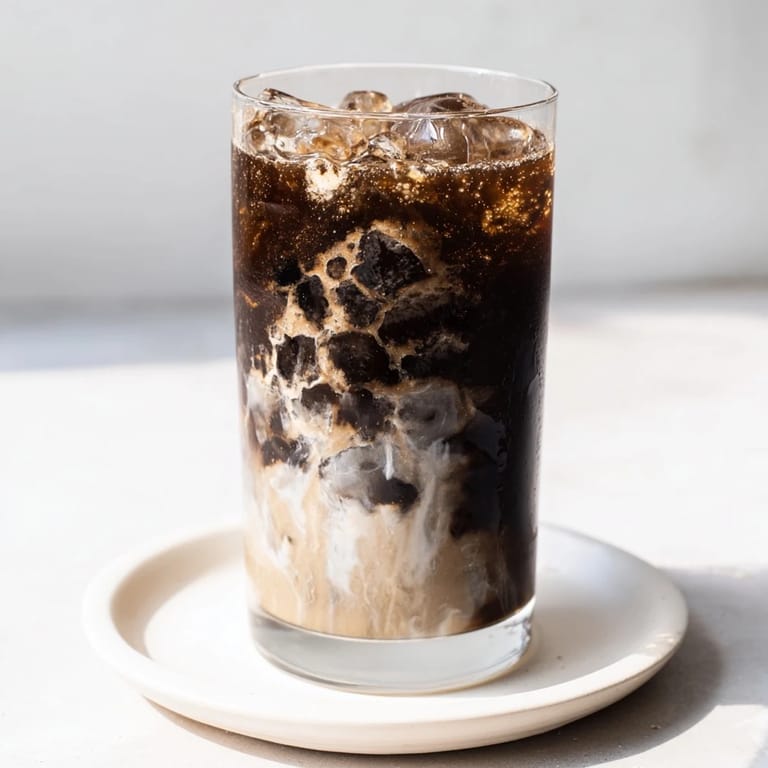
Save This drink has a way of turning an ordinary afternoon into something worth pausing for. It's the kind of small luxury that doesn't require planning or fancy equipment, just a moment of intention and two shots of espresso.
Recipe Questions & Answers
- → How do you create the cracking chocolate layer?
Melt chocolate with a bit of coconut oil until glossy, then drizzle it over the cold latte. It solidifies as a thin top layer that cracks when stirred.
- → Can I use plant-based milk for this drink?
Yes, oat or almond milk work well as dairy-free alternatives and maintain a creamy texture.
- → What type of chocolate is best for the top layer?
Dark or milk chocolate both work; adding coconut oil helps create a crisp, crackable surface.
- → Is sweetener necessary in this beverage?
Sweetener is optional and can be adjusted or omitted according to taste preferences.
- → How should the drink be served for best experience?
Serve immediately after assembly so the chocolate layer remains solid and cracks satisfyingly when stirred.
- → Does this drink contain allergens?
Contains dairy and caffeine; choose dairy-free alternatives and allergen-free chocolate if needed.