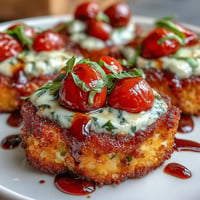
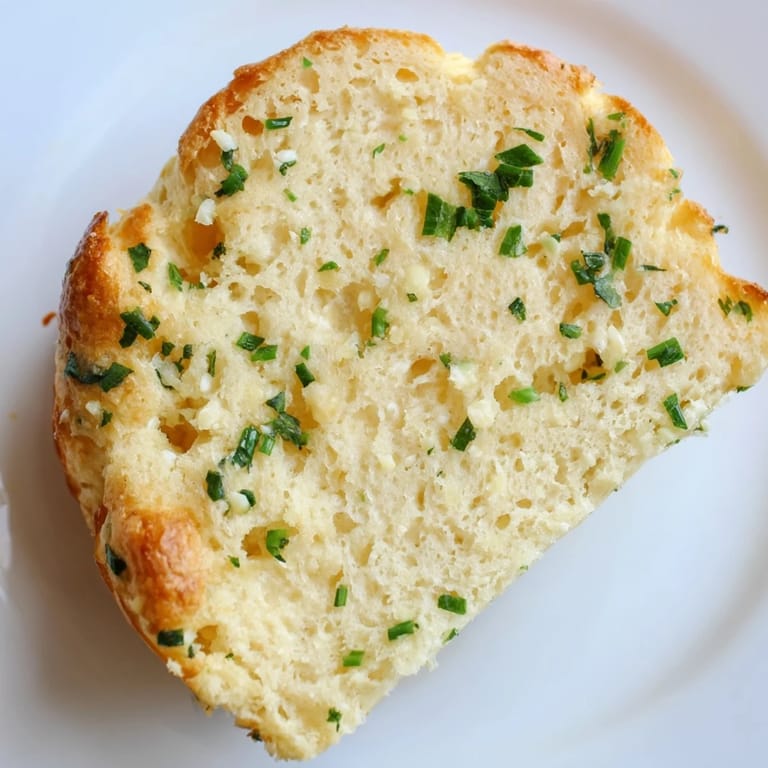
 Save
Save My cousin texted me a photo of cloud bread last summer, and I was skeptical until she explained it was basically just eggs whipped into oblivion. The moment I pulled my first batch from the oven and watched them puff up like little savory clouds, I understood the magic. There's something deeply satisfying about creating bread that feels almost too light to be real, especially when it's loaded with garlic and Parmesan. Since then, I've made these dozens of times, sometimes as a midnight snack when I'm craving carbs but not the guilt, and other times when friends are over and I want to impress them with something that looks complicated but isn't.
I made these for my book club meeting on a random Tuesday, mainly to fill space on the snack table, and three people asked for the recipe before they'd even tried anything else. That's when I realized cloud bread isn't just a novelty or a diet thing; it's genuinely delicious. My friend Marco, who's not one for experimental cooking, actually went back for seconds and started talking about making them ahead for his lunches. It was one of those small kitchen wins that reminded me how food brings people together, even something as unconventional as egg-based bread.
Ingredients
- Eggs, separated: The three large eggs are your foundation, and separating them is non-negotiable because you need those whites whipped into submission for the fluffy texture that makes this whole recipe work.
- Cream of tartar: This tiny amount stabilizes the egg whites so they hold their peaks and don't collapse on you halfway through folding.
- Grated Parmesan cheese: Use freshly grated if you can; the pre-shredded stuff has anti-caking agents that can make the texture grainy.
- Cream cheese, softened: It acts as a binder and adds richness without weighing down the batter, so don't use it straight from the fridge.
- Garlic clove, minced: One clove is perfect for that savory punch without overwhelming the delicate crumb, though I sometimes add half a clove more when I'm feeling bold.
- Fresh chives and parsley: These herbs bring brightness and prevent the bread from tasting one-dimensional, so don't skip them or use dried versions in their place.
- Dried oregano, salt, and black pepper: These seasonings work together to create a flavor profile that's sophisticated enough for a dinner party but still approachable.
Tired of Takeout? 🥡
Get 10 meals you can make faster than delivery arrives. Seriously.
One email. No spam. Unsubscribe anytime.
Instructions
- Set your oven and prep:
- Preheat to 300°F and line your sheet with parchment paper so nothing sticks and you can actually slide these beauties off without them falling apart. This low temperature is key because you're not trying to brown them quickly; you're gently setting them.
- Whip the egg whites:
- In a bowl that's absolutely clean and dry, beat those egg whites with cream of tartar until stiff peaks form, which means they hold their shape when you pull the beaters out. This usually takes three to five minutes with an electric mixer, and you'll know you're there when the peaks don't droop.
- Mix your yolk base:
- In another bowl, whisk together the egg yolks, softened cream cheese, Parmesan, minced garlic, fresh herbs, oregano, salt, and pepper until everything is smooth and well combined. This is where all your flavor lives, so taste it if you're brave and adjust the seasoning to your liking.
- Fold gently:
- Here's where patience matters: fold the egg whites into the yolk mixture in three additions, using a rubber spatula and turning the bowl as you fold rather than stirring aggressively. You want to keep those air bubbles intact, so be gentle even though your instinct might be to mix faster.
- Shape and bake:
- Spoon the mixture onto your parchment paper in six even rounds about half an inch thick, then slide them into the oven for twenty-five minutes until they're golden brown on top and set all the way through. They should feel airy and slightly springy when you touch them.
- Cool and serve:
- Let them cool for just a few minutes on the baking sheet before serving, because they're best enjoyed warm when the texture is at its most tender and the inside is still slightly creamy.
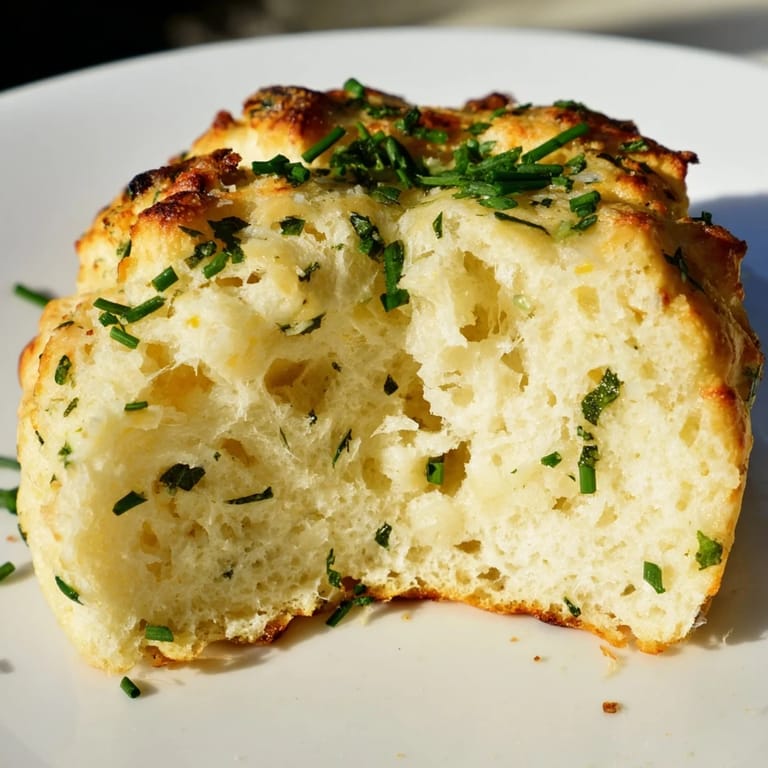 Save
Save My partner came home one evening while I was testing a batch and just stood there sniffing the air, following the smell to the kitchen like a cartoon character. We shared them warm with marinara sauce, and something about that simple moment—just the two of us, fresh bread, and no pressure—made me realize this recipe is as much about creating a moment as it is about the actual food. These days, whenever someone mentions being tired of the same old bread routine, I think of that evening and know exactly what to suggest.
Flavor Variations That Actually Work
The beauty of cloud bread is that the base is so neutral and forgiving that you can pivot in almost any direction you want. I've made versions with crispy bacon bits folded in, sharp cheddar instead of Parmesan, and even a Mediterranean version with sun-dried tomatoes and fresh basil. The key is keeping the overall weight light so the bread still puffs up properly, which means don't go overboard with mix-ins. If you're adding something wet like fresh tomatoes, you might need to drain them first or the batter gets too moist.
How to Serve Them So People Actually Want Seconds
Warm cloud bread is infinitely more interesting than room temperature cloud bread, so if you're making them ahead, just pop them in a 300°F oven for five minutes to revive them before serving. The texture completely changes depending on what you dip them into: marinara sauce makes them feel like fancy bruschetta, pesto turns them into something almost Mediterranean, and whipped feta mixed with roasted red peppers creates this luxurious snack situation that feels far more complicated than it actually is. I've also served them alongside soups as little flavor-absorbing vehicles, which is honestly my favorite way to use them because they soak up broth without falling apart.
Storage and Make-Ahead Tips
These keep in an airtight container in the fridge for about three days, though they're honestly best eaten the day they're made when the texture is still at peak cloud-like perfection. You can't really freeze them successfully because the egg-based structure seems to get weird and grainy after thawing, but honestly they're so quick to make that freezing feels unnecessary. If you're batch-cooking for the week, I'd suggest making them fresh every two or three days and just storing the batter in the fridge if you want to get ahead.
- Store in an airtight container away from other foods so they don't absorb weird flavors or moisture.
- Revive slightly stale ones in a 300°F oven for five minutes to restore their tender texture.
- Remember that these are best fresh and warm, so plan accordingly rather than trying to make them days in advance.
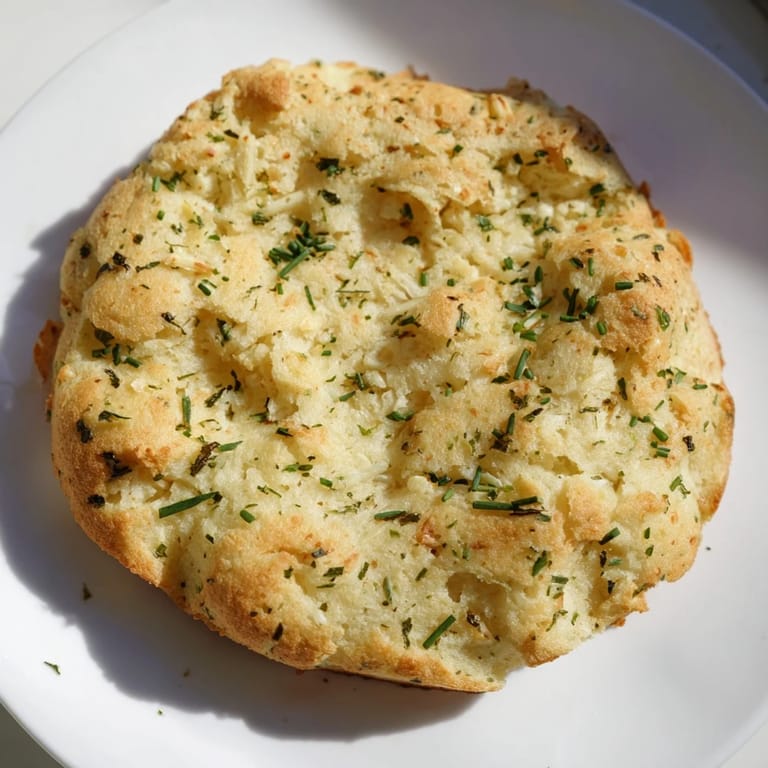 Save
Save Cloud bread is one of those recipes that feels like a small rebellion against predictable eating, and that's exactly why it works. Make a batch this week and see what happens.
Recipe Questions & Answers
- → Why do you separate the eggs in this preparation?
Separating eggs allows the whites to be whipped into stiff peaks, creating air pockets that give cloud bread its signature fluffy texture. The yolks are mixed with other ingredients for richness and flavor, then folded together gently to maintain the airiness.
- → Can I make this ahead of time?
Cloud bread is best enjoyed fresh from the oven while still warm and airy. However, you can store cooled toasts in an airtight container for up to 2 days and refresh them briefly in a low oven before serving.
- → What can I serve with cloud bread savory toast?
These toasts pair wonderfully with marinara sauce, pesto, whipped feta, tomato soup, or creamy mushroom soup. You can also top them with smoked salmon and cream cheese, or use them as vehicles for Mediterranean spreads.
- → How do I prevent the mixture from deflating?
Use a clean, dry bowl for whipping egg whites, as any oil or moisture prevents proper peak formation. When folding whites into the yolk mixture, use a spatula and work gently in three additions, cutting down the center and turning the bowl as you fold.
- → Why is the oven temperature so low?
The 300°F temperature allows the cloud bread to rise and set gently without browning too quickly on the outside. This slower baking ensures the centers cook through while maintaining the delicate, airy crumb structure.
- → Can I add different herbs or seasonings?
Absolutely. Try adding chili flakes, smoked paprika, Italian seasoning, or fresh dill. Swap Parmesan for Pecorino Romano, Gruyère, or sharp cheddar. Experiment with minced garlic, shallots, or sun-dried tomatoes for varied flavor profiles.