 Save
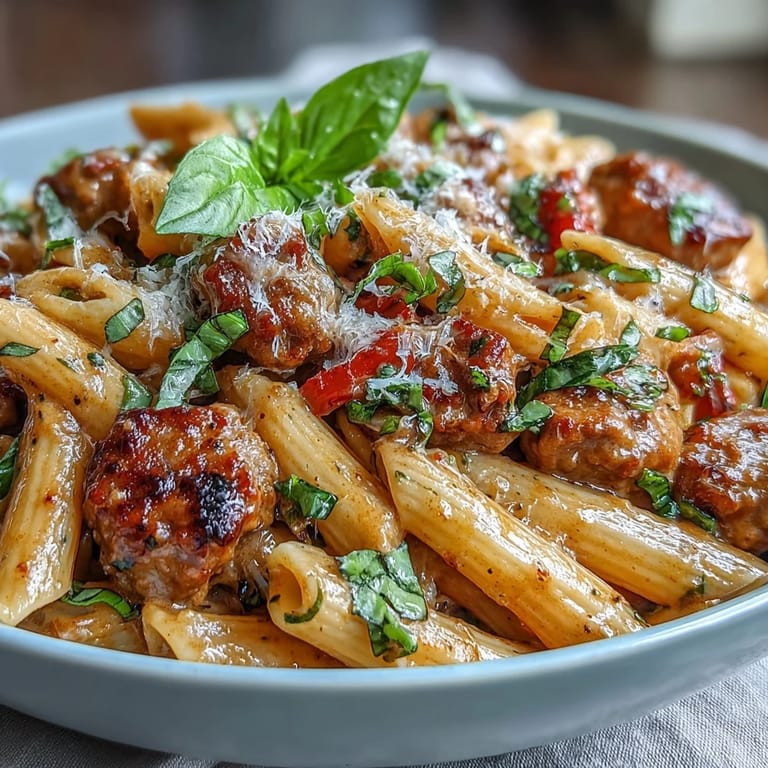
Save There's something about a weeknight when you're standing in front of the stove, bone-tired, and you realize you have sausage, red wine, and pasta—and suddenly dinner becomes this rich, glossy thing that tastes like you've been simmering it for hours. That's the magic of one-pot cooking, the kind that fills your kitchen with warmth and makes you wonder why you ever thought you needed separate pans. This creamy red wine sausage pasta came together one of those evenings when I needed comfort food fast, and the whole thing happened in one deep skillet, leaving barely a trace of mess behind.
I made this for friends on a cold Saturday when we were all too tired to go out, and watching their faces when they tasted it—that moment when someone takes a bite and just closes their eyes for a second—reminded me why I love cooking in the first place. Nobody asked what was in it; they just kept twirling their forks and asking for seconds. That's when I knew this recipe had staying power.
Ingredients
- Italian sausage (300 g): Choose spicy if you like heat, mild if you prefer subtlety—the browning step is where all the flavor develops, so don't skip it or rush it.
- Yellow onion and red bell pepper: These soften together and become almost sweet, balancing the richness of the cream and wine.
- Garlic (3 cloves, minced): Add it after the vegetables to prevent burning; fresh garlic makes a noticeable difference here.
- Crushed tomatoes (400 g canned): Canned is actually better than fresh for this dish because the acidity is consistent and helps cut through the cream.
- Penne or rigatoni (300 g): Uncooked pasta goes straight into the pot, absorbing the broth as it cooks—no draining needed.
- Dry red wine (120 ml): Use something you'd drink; cheap wine tastes cheap even after cooking, but you don't need anything fancy.
- Chicken broth (750 ml): Low-sodium lets you control the salt level and prevents the dish from becoming oversalty as the liquid reduces.
- Soy sauce (2 tbsp): This adds umami depth and a subtle saltiness that makes people wonder what the secret ingredient is.
- Heavy cream (120 ml): This is what transforms the dish from tomato-based to creamy; add it at the end so it stays silky instead of breaking.
- Oregano, basil, and red pepper flakes: Dried herbs work beautifully here because they have time to bloom in the simmering liquid.
- Parmesan and fresh herbs for garnish: These finish the dish, adding brightness and preventing it from feeling too heavy.
Tired of Takeout? 🥡
Get 10 meals you can make faster than delivery arrives. Seriously.
One email. No spam. Unsubscribe anytime.
Instructions
- Sear the sausage until golden:
- Heat your skillet over medium-high heat and let it get hot before adding the sausage; you want it to brown and release its oils, not just cook through. This takes about 3 to 4 minutes, and you'll notice the pan smells incredible as the meat caramelizes.
- Soften the vegetables:
- Add the onion and bell pepper to the rendered sausage fat, which carries all that meaty flavor into the vegetables. They should turn translucent and tender in about 3 minutes, and then you add the garlic for just 1 minute more—enough to wake it up without letting it brown.
- Deglaze with wine:
- Pour in the red wine and scrape the bottom of the pan with your wooden spoon, lifting up all those browned bits; they dissolve into the wine and become part of your sauce. Let it bubble for 2 minutes so some of the alcohol cooks off and the flavor mellows.
- Add everything and bring to a boil:
- Stir in the tomatoes, soy sauce, herbs, uncooked pasta, and broth all at once, making sure nothing sticks to the bottom. The mixture looks loose at this point, almost soup-like, but trust the process.
- Simmer until pasta is tender:
- Cover and let it bubble gently for 12 to 14 minutes, stirring every couple of minutes so the pasta doesn't clump. You'll notice the liquid gradually gets absorbed and the pasta softens, and the whole thing starts smelling like a proper Italian kitchen.
- Finish with cream:
- Stir in the heavy cream and let it simmer uncovered for 2 to 3 minutes, just until everything is creamy and cohesive. This is where you taste and adjust the salt and pepper, because you have control now.
- Plate and garnish:
- Serve immediately with a generous handful of Parmesan and fresh basil or parsley scattered on top, which adds a pop of color and freshness.
 Save
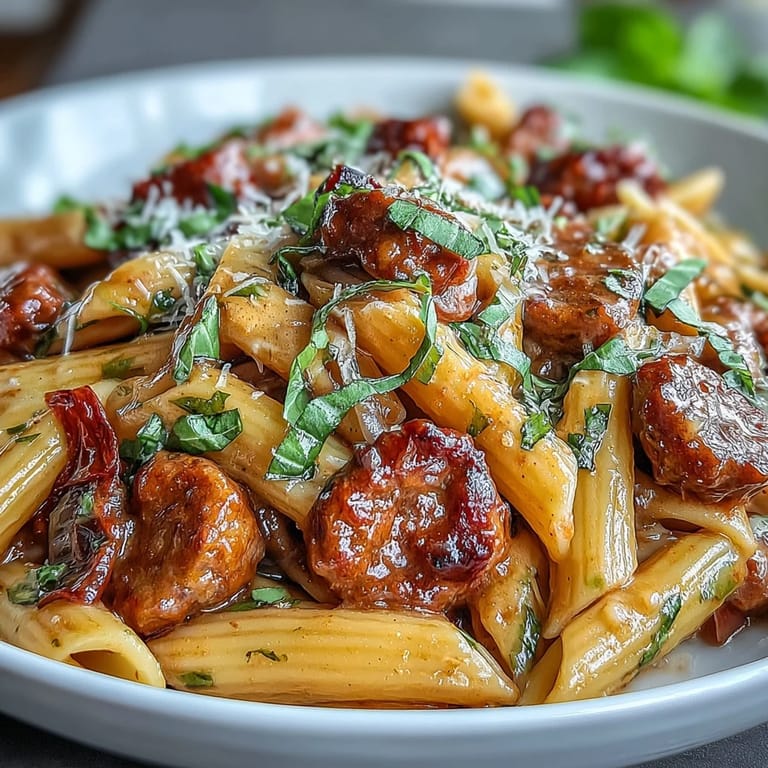
Save There's a moment halfway through cooking when the kitchen smells like wine and herbs and browning meat, and you realize you've created something that feels both simple and special at the same time. That's the feeling I chase every time I make this.
Wine Pairing and Serving Ideas
Pour yourself the same red wine you're using in the pot—a Chianti or Merlot works beautifully because it has enough body to stand up to the cream and sausage without being too heavy. Serve this with crusty bread to soak up every last drop of sauce, maybe a simple green salad on the side if you want something fresh to cut through the richness. The pasta is hearty enough to be the whole meal, though.
Variations and Swaps
I've made this with turkey sausage on nights when I wanted something lighter, and it works—just know the sauce will be a bit less rich because turkey is leaner and releases less fat. For vegetarians, plant-based sausage has come a long way, and it picks up the flavors around it beautifully. You can also sneak in a big handful of fresh spinach or torn kale in the last few minutes of cooking, letting it wilt right into the sauce.
Storage and Make-Ahead Tips
This dish actually tastes even better the next day because the flavors have time to get to know each other, so don't hesitate to make it ahead and refrigerate it for up to 3 days. Reheat gently on the stove with a splash of broth if it's gotten too thick, and you might need to add a little more cream at the end to restore that silky texture. Freezing works too, though the cream can sometimes separate slightly when thawed, so stir it well and taste before adjusting seasoning.
- Cool the pasta completely before refrigerating to prevent condensation and sogginess.
- Store in an airtight container and reheat on the stove rather than the microwave to keep the sauce smooth.
- Double the recipe if you want easy weeknight dinners ready to go.
 Save
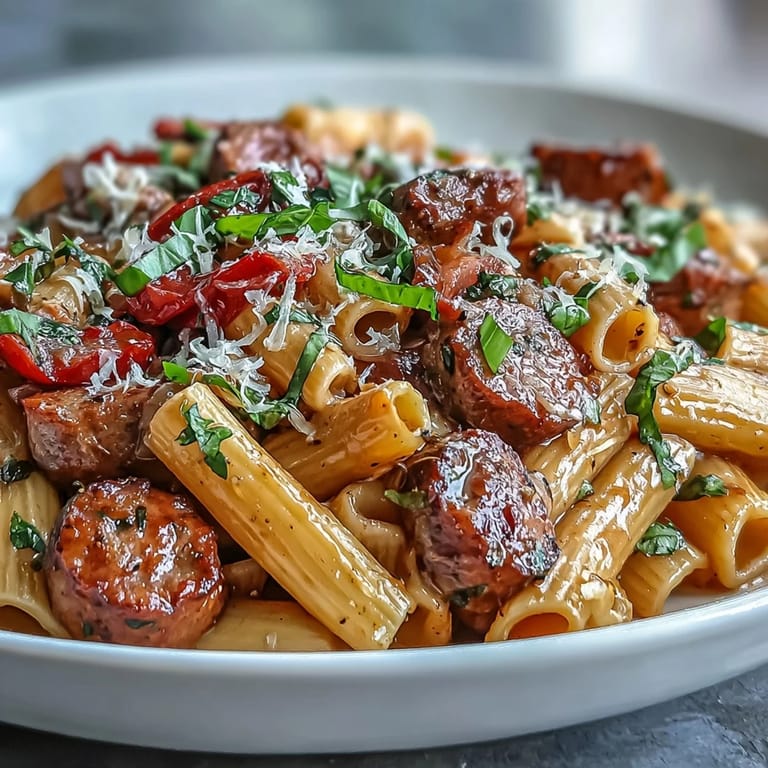
Save This is the kind of recipe that reminds you why cooking matters—not because it's complicated, but because it turns a few ordinary ingredients into something that brings people to the table and makes them feel cared for. Make it once, and it becomes your go-to.
Recipe Questions & Answers
- → Can I use different pasta shapes?
Yes, any short pasta like rigatoni, ziti, or fusilli works well. The sauce clings nicely to shapes with ridges and tubes.
- → What red wine is best for this dish?
Dry Italian varieties like Chianti, Merlot, or Sangiovese work beautifully. Avoid sweet wines as they alter the sauce's flavor profile.
- → Can I make this lighter?
Substitute half-and-half or light cream for heavy cream. You can also use turkey sausage or increase the vegetables for a lighter version.
- → How do I store leftovers?
Keep refrigerated in an airtight container for up to 3 days. Reheat gently with a splash of broth or cream to restore the sauce's consistency.
- → Can I freeze this pasta?
Yes, freeze for up to 2 months. Thaw overnight in the refrigerator and reheat slowly on the stove, adding cream if needed.
- → Is the alcohol cooked out?
The red wine simmers for 2 minutes then cooks for 15+ minutes more, leaving only subtle flavor notes without significant alcohol content.