 Save
Save The first time I served edible flowers on a cheese board, I wasn't sure if anyone would actually eat them. I'd picked up a handful of nasturtiums from a farmer's market on impulse, and they sat in a paper cup on my kitchen counter looking almost too pretty to touch. When guests arrived that evening, something magical happened—they didn't just nibble the cheese, they actually foraged, parting the microgreens like they were searching for hidden treasure. That's when I realized this wasn't just about taste; it was about play, discovery, and the simple joy of food that feels alive.
I remember making this for a dinner party in late spring when the garden outside was finally bursting with color. One guest—someone I'd never cooked for before—spent ten minutes gently arranging and rearranging the flowers on her plate before eating, like she was composing a still life. Her reverence made me see the dish differently; suddenly it wasn't fussy or precious, it was genuine permission to slow down and appreciate the beautiful things we usually rush past.
Ingredients
- Aged cheddar: Its sharp, crystalline bite cuts through richness and anchors the other milder cheeses with real personality.
- Goat cheese: Tangy and creamy, this one surprises people who think they don't like goat cheese—the brightness here feels less intense and more welcoming.
- Gruyère: Nutty and smooth, it's the bridge cheese that makes the trio feel sophisticated and intentional rather than random.
- Microgreens: Pea shoots bring sweetness, radish greens add peppery bite, and mixed herbs introduce herbaceous notes—choose based on what catches your eye or what your supplier has that day.
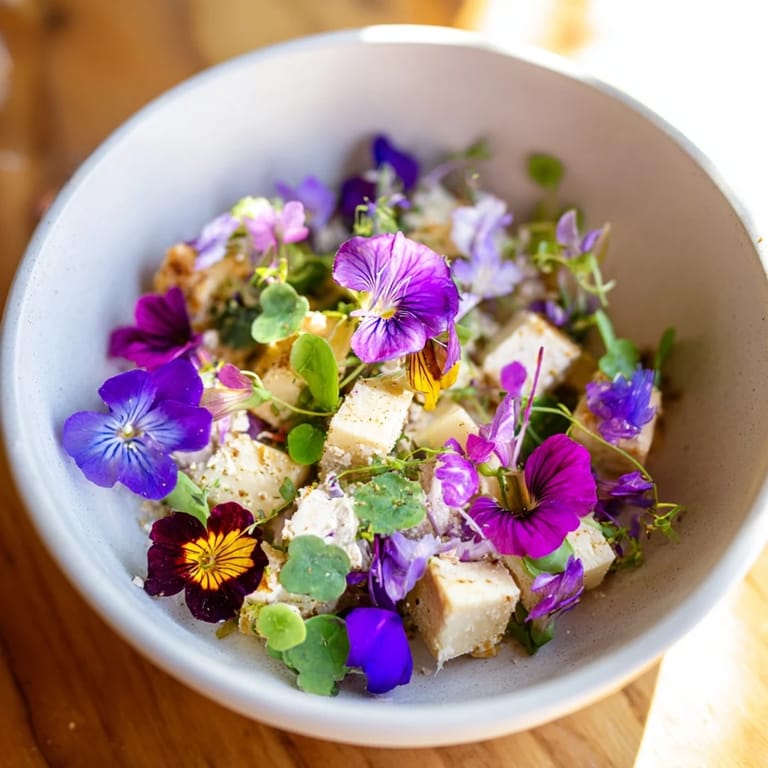
- Edible flowers: Nasturtiums taste peppery and look bold, pansies are mild and delicate, violets add almost floral sweetness, and borage brings cucumber-like freshness; buy from trusted sources and never use ornamental florist flowers.
- Extra virgin olive oil: A light drizzle adds luxury and helps the flavors bloom, though the board works beautifully without it if you prefer.
- Flaky sea salt and black pepper: These finish the dish with texture and bite—don't skip them even though they seem like afterthoughts.
Tired of Takeout? 🥡
Get 10 meals you can make faster than delivery arrives. Seriously.
One email. No spam. Unsubscribe anytime.
Instructions
- Cut and arrange your cheeses:
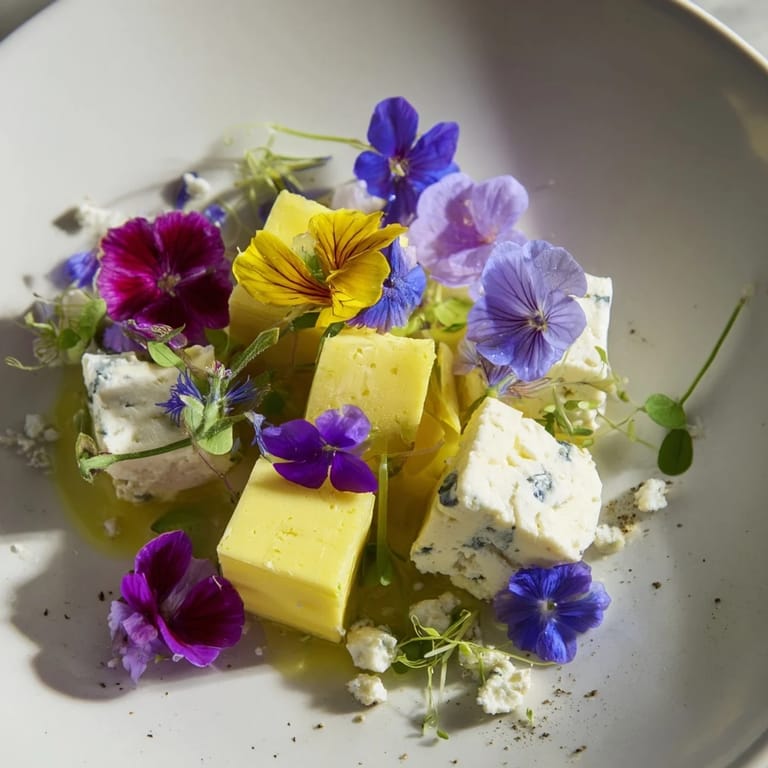
- Cube each cheese into roughly half-inch pieces, then scatter them across your board with intention, leaving breathing room between different types so their colors and textures stay distinct.
- Build the foliage:
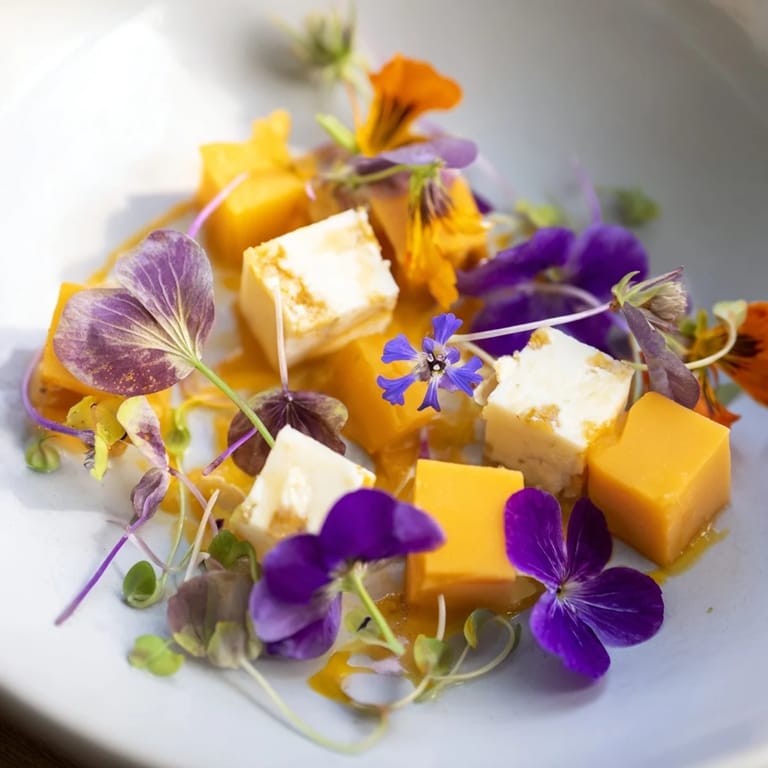
- Handful by handful, arrange microgreens over and around the cheese cubes—think of it like you're creating a landscape where the cheese is peeking through grass and undergrowth, not completely buried.
- Tuck in the flowers:
- Place flowers deliberately, nestling them among the greens so they feel discovered rather than randomly sprinkled; step back and look, adjust, make it feel alive.
- Optional oil drizzle:
- If using olive oil, a light, sparse drizzle across the greenery adds shimmer and draws out aromatic notes without overwhelming delicate flavors.
- Season and serve:
- Sprinkle salt and pepper gently across the arrangement, then present it immediately while everything is fresh and the flowers haven't started to wilt.
 Save
Save What moved me most was watching someone's child point to a bright violet and ask, 'Can I really eat this?' and then watch her face light up when she did. That moment captured what this dish is really about—permission to play with food, to question assumptions, and to find delight in the unexpected.
Sourcing Your Flowers and Microgreens
Don't order these online if you can help it; visit a farmers' market or specialty produce shop where you can see and ask questions. Farmers who grow edible flowers for restaurants will talk your ear off about flavor profiles, storage, and which ones are having their moment. Microgreens are easier to source—even some regular grocery stores now stock them—but sample different mixes because the flavor and texture vary wildly depending on what's included.
Cheese Selection and Substitutions
The three cheeses I've suggested work because they offer contrasting textures and flavors, but don't treat this as law. Manchego brings Spanish earthiness, fresh mozzarella adds delicate creaminess, feta contributes briny bite, and aged Comté brings honeyed depth. The only rule is that you want variety—three different personalities on one board so people discover something new with each bite. Think of it as a conversation rather than a solo performance.
Pairing and Presentation Ideas
Crisp white wines and sparkling rosé sing alongside this dish because their acidity balances the richness of cheese and the peppery notes of the greens. Serve on your most beautiful board or platter because the presentation is half the story—use natural wood, slate, marble, or even a large ceramic plate, whatever feels like you.
- Add thinly sliced radishes or cucumbers for crunch and fresh wateriness that cleanses the palate.
- Include crusty bread or water crackers on the side so guests can compose their own bites if they want.
- Consider the season—spring calls for delicate flowers and tender greens, while autumn allows for earthier microgreens and deeper flower choices.
 Save
Save This dish proves that the most elegant food doesn't need to be complicated, just thoughtful. Serve it, then step back and watch people remember why they fell in love with eating in the first place.
Recipe Questions & Answers
- → What cheeses work best for this appetizer?
Aged cheddar, goat cheese, and Gruyère provide a balanced variety of flavors and textures, but Manchego or feta can be delightful alternatives.
- → Can I use different edible flowers?
Yes, nasturtiums, pansies, violets, borage, and calendula all add beautiful color and subtle flavor to enhance the dish.
- → How should I serve this dish?
Arrange cheese cubes on a large board, scatter microgreens and edible flowers on top, drizzle with olive oil if desired, and season to taste. Serve immediately.
- → Are there any dietary considerations?
This appetizer is vegetarian and gluten-free, but contains dairy, so ensure guests are aware of allergens.
- → What pairings complement this appetizer?
Serve alongside crisp white wine or sparkling rosé to enhance the fresh, delicate flavors of the cheeses and greens.