 Save
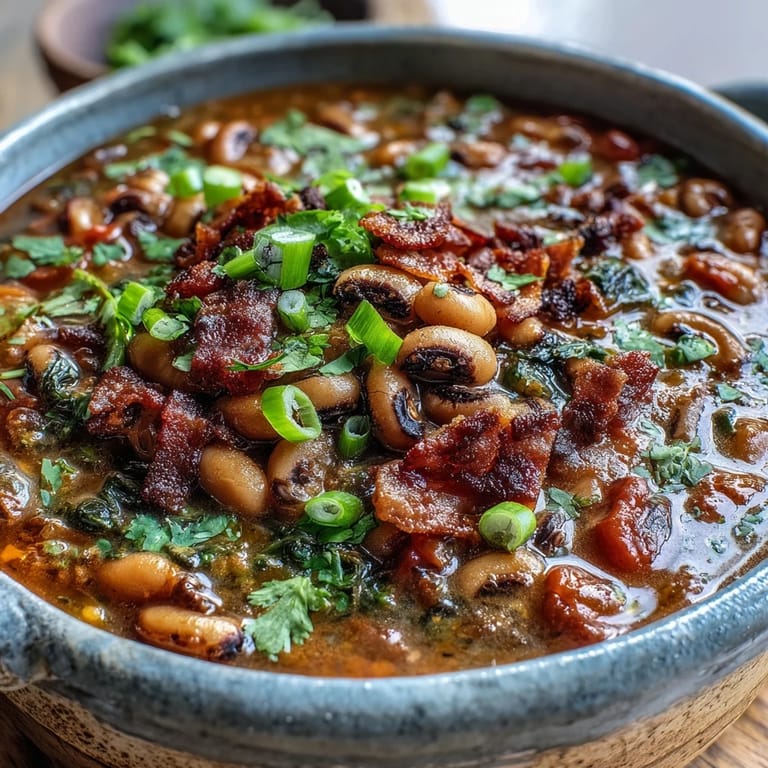
Save My uncle's kitchen in Austin always smelled like this pot simmering on the stove—bacon grease, cumin, and the kind of heat that made you sweat a little just standing near it. One Sunday afternoon, I finally asked him to walk me through it, and what I thought would be complicated turned out to be the opposite: just throw everything in, let it bubble away, and magic happens. That was years ago, and now this is the dish I make when I want the kitchen to feel like his did.
I made this for a potluck once where I wasn't sure what to bring, and someone asked for the recipe before I'd even finished serving it. That's when I realized this wasn't just comfort food—it was the kind of dish that makes people feel cared for, like someone spent time thinking about their dinner.
Ingredients
- Dried black-eyed peas (1 pound, rinsed and sorted): The backbone of this dish—they turn creamy and nutty when they've had time to simmer, so don't skip the rinsing step or you'll end up with grit.
- Thick-cut bacon (8 ounces, diced): This is where flavor begins, and thick-cut matters because the edges get crispy while the centers stay meaty.
- Large yellow onion (1, finely chopped): Chop it fine so it dissolves into the pot and sweetens the whole thing.
- Garlic (4 cloves, minced): Don't use garlic powder here—fresh garlic blooms into something aromatic and alive when it hits that hot bacon fat.
- Jalapeños (2, seeded and diced): The seeds are where the heat lives, so you can control the burn by deciding how many to keep in.
- Rotel diced tomatoes with green chilies (2 cans, 10-ounce each, undrained): This ingredient does so much work—the tomatoes, the chiles, the juice—so don't drain it like you might other canned tomatoes.
- Low-sodium chicken broth (6 cups): Low-sodium lets you control the final salt level, which you'll taste as you go.
- Water (2 cups): Keeps the whole pot from getting too concentrated and salty.
- Chili powder (2 teaspoons): The warmth that ties everything together without overpowering.
- Smoked paprika (1 teaspoon): This is the secret quiet ingredient—it's why people ask if there's bacon even if they somehow miss the actual bacon.
- Cumin (1 teaspoon): A pinch of earthiness that says Texas.
- Black pepper (1/2 teaspoon) and salt (1 teaspoon): Start here, but taste near the end because salt changes as the pot reduces.
- Bay leaves (2): These float around and flavor everything without getting in the way—remove them before serving.
- Fresh cilantro and green onions (optional): A brightness at the end that lifts the whole dish if you want it, but the pot is complete without it.
Tired of Takeout? 🥡
Get 10 meals you can make faster than delivery arrives. Seriously.
One email. No spam. Unsubscribe anytime.
Instructions
- Render the bacon until it's lean and crispy:
- Cut your bacon into rough dice and let it cook in your big pot over medium heat—don't rush it, you want the fat to pour out and the edges to turn brown. You're not making bacon for breakfast; you're making an ingredient base, so let it spend a good six to eight minutes in that pot.
- Soften the onions and jalapeños in that bacon fat:
- When the bacon's done, pull it out with a slotted spoon and leave all that rendered fat behind—that's liquid gold. Toss in your chopped onion and diced jalapeños and let them soften for about five minutes, stirring so they color a little on the edges.
- Wake up the garlic:
- Add your minced garlic and let it cook for just one minute—you'll smell it transform and know it's ready when the kitchen fills with that sharp, sweet aroma.
- Build the pot:
- Return the bacon to the pot and add your rinsed black-eyed peas, both cans of Rotel with all their liquid, the broth, water, and every spice. Stir it all together so nothing sticks to the bottom, and watch the liquid take on an amber color.
- Bring it to a boil, then settle in for the simmer:
- Let the pot boil for a minute or two, then drop the heat to low, cover it, and leave it alone for about an hour. Check it once halfway through just to make sure the liquid level looks right.
- Finish it right:
- After an hour, the peas should be soft but not falling apart—taste one. If they're tender, remove the lid and let the pot bubble uncovered for another twenty to thirty minutes so the liquid thickens and the flavors concentrate. This is where it goes from good to unforgettable.
- Taste and adjust:
- Fish out the bay leaves, take a spoon, and taste it. Salt and heat shift during cooking, so this is your moment to tweak it toward what you want.
- Serve with generosity:
- Ladle it into bowls while it's still steaming, scatter cilantro and green onions on top if you're using them, and watch people's faces light up.
 Save
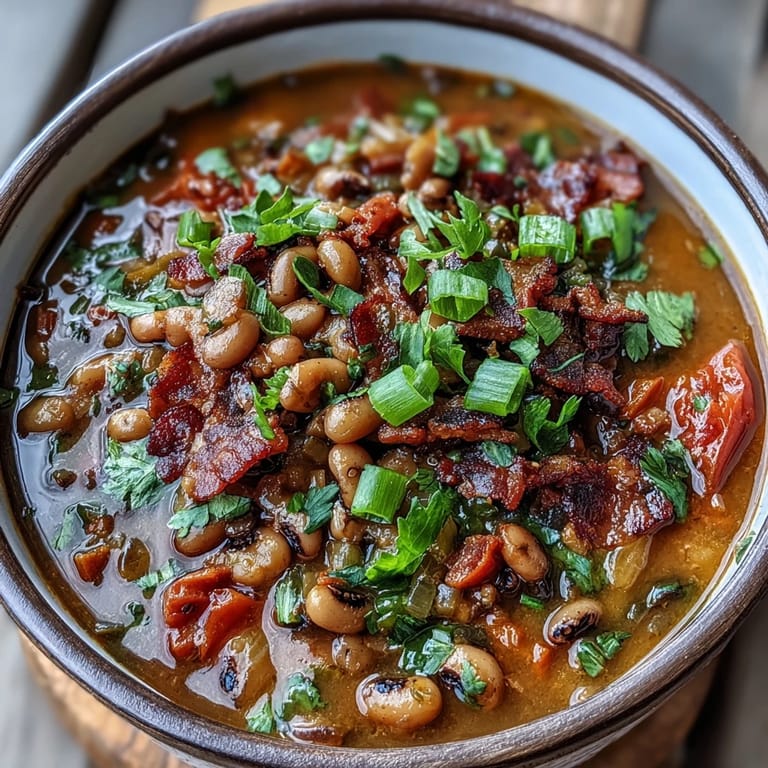
Save This dish showed up at my table during a rough winter, brought by a friend who knew I needed something warm and grounding. I've never forgotten how that felt—not fancy, not trying too hard, just deeply nourishing. That's what this pot does for people.
Why the Bacon Fat Matters
The bacon fat is doing more than adding flavor—it's carrying flavor. Every vegetable that hits that hot pan gets coated in something rich and smoky, which means the whole pot tastes like bacon before you even add the spices. This is why you can't use bacon bits or skip the bacon altogether and expect the same depth. The fat is the method.
Rotel Tomatoes Are Non-Negotiable
Some people hear Rotel and think it's too processed, but here's the truth: those canned tomatoes with green chilies are a flavor multiplier in Texan cooking. The juice is seasoned and slightly tangy, and the chiles add a brightness that fresh tomatoes can't match. If you can't find Rotel, use regular diced tomatoes and add an extra jalapeño, but you're working against the recipe at that point.
The Final Stretch Makes All the Difference
Cooking the pot uncovered at the end does something crucial—it lets the liquid reduce, the flavors concentrate, and the peas get creamy instead of soupy. That final thirty minutes is when the whole thing shifts from decent to something you'll crave. Don't skip it or let the pot boil hard; keep it at a gentle bubble so the peas stay whole and the liquid turns silky.
- Taste the peas around the forty-five-minute mark so you know when they're done—they should be soft enough to press against the side of the pot but not mushy.
- If your pot is reducing faster than expected, lower the heat or partially cover it, because you want to finish with substance, not a dry pot.
- Leftovers truly do taste better the next day once the flavors have had time to marry together in the fridge.
 Save
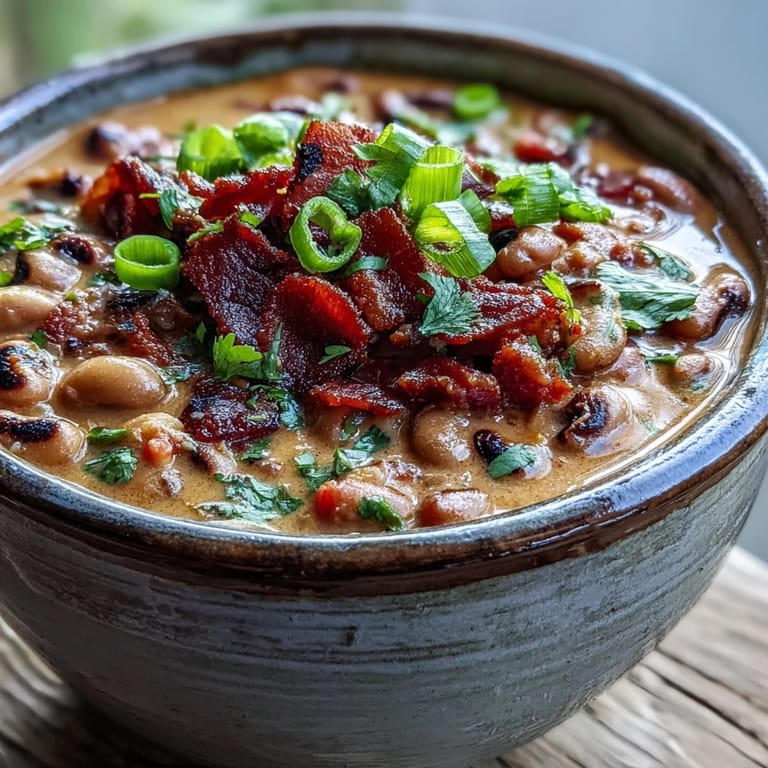
Save This pot of black-eyed peas is the kind of recipe that gets better the more you make it, because you learn what your stove does and how you like it balanced. Make it once and it's good—make it twice and it becomes yours.
Recipe Questions & Answers
- → Do I need to soak black-eyed peas before cooking?
No soaking is required for this preparation. The dried peas cook directly in the liquid during the 1-1.5 hour simmering time, becoming tender and creamy as they absorb the flavorful broth and spices.
- → Can I make this vegetarian?
Absolutely. Simply omit the bacon and use vegetable broth instead of chicken broth. Add extra smoked paprika or a few drops of liquid smoke to maintain that smoky depth of flavor typically provided by the bacon.
- → How spicy are these black-eyed peas?
The spice level is moderate with two seeded jalapeños and Rotel tomatoes. For more heat, leave some seeds in the jalapeños or add a pinch of cayenne pepper. Adjust according to your preference.
- → What should I serve with Texas black-eyed peas?
Classic Southern accompaniments include cornbread, which soaks up the flavorful broth, or steamed rice. Fresh green onions, cilantro, or hot cornbread complement the hearty, smoky flavors beautifully.
- → How long do leftovers keep in the refrigerator?
Leftovers can be refrigerated for up to 4 days in an airtight container. The flavors actually improve over time as the spices meld together, making this an excellent dish for meal prep or making ahead.
- → Can I use canned black-eyed peas instead?
You can substitute with canned peas for a quicker version. Use about 4-5 cans (drained) and reduce the simmering time to 20-30 minutes, just long enough for flavors to meld. The texture will be slightly different but still delicious.