 Save
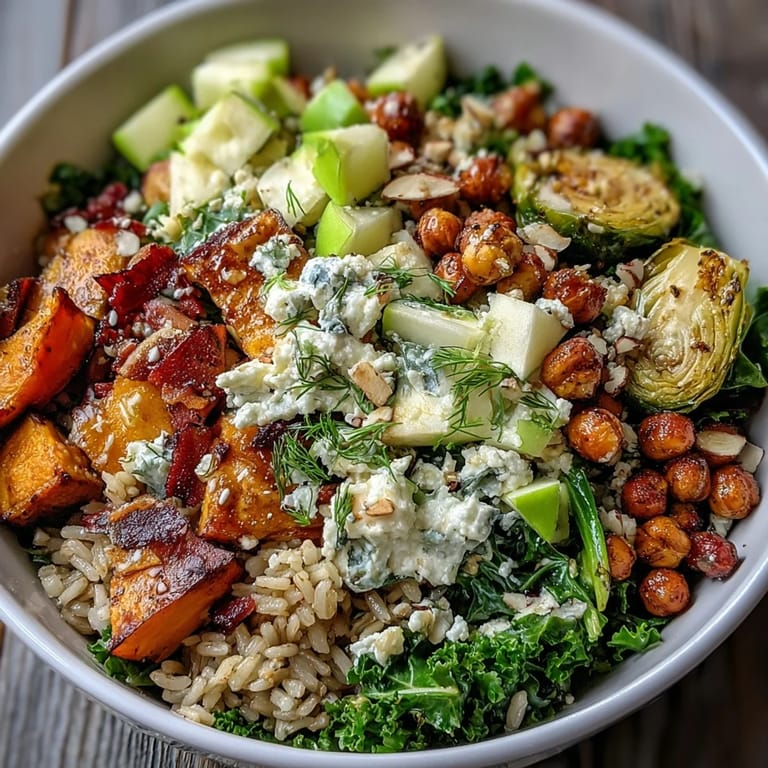
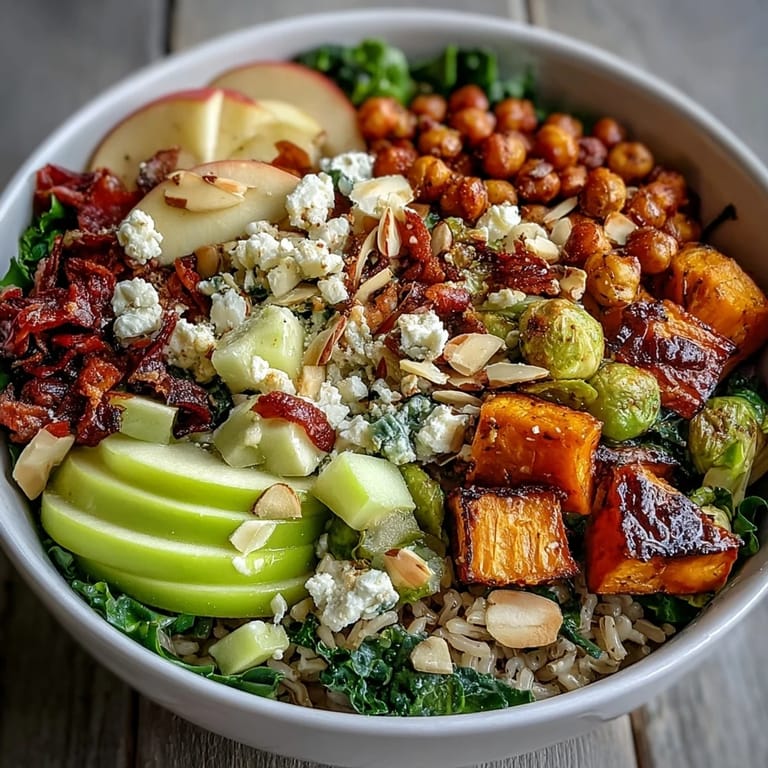
Save Last October, I found myself standing in front of a farmer's market stall, overwhelmed by the sudden abundance of fall produce—jewel-toned sweet potatoes, Brussels sprouts still dusty with earth, crisp apples that smelled like the season itself. The vendor mentioned she'd been eating harvest bowls all week, and something clicked. I wanted to build a meal that felt generous without being heavy, colorful without feeling forced, the kind of bowl you'd actually want to eat on a chilly afternoon. This Fall Harvest Bowl became that answer—a celebration of what autumn does best.
I made this for friends who were between seasons in their lives—one had just moved, another was recovering from burnout—and watching them eat something so intentionally nourishing felt like a small quiet gift. Nobody reached for seconds because they were still hungry; they did because the flavors actually worked together, and the textures kept surprising them. That's when I knew this recipe was more than just pretty autumn vegetables on a plate.
Ingredients
- Wild rice: Use the full 35-40 minutes for cooking; it has a nutty flavor and chewy texture that feels more substantial than regular rice, which is exactly why it anchors this bowl.
- Sweet potatoes: Medium ones dice evenly and roast at the same speed as Brussels sprouts, which matters more than you'd think when timing your oven work.
- Brussels sprouts: Halving them face-down on the pan means one cut side caramelizes gorgeously, creating that crispy exterior you're actually after.
- Kale: Massage it with salt before dressing—this softens the leaves so they don't feel tough, a trick that transforms the whole bowl texture.
- Chickpeas: Pat them completely dry with a kitchen towel before roasting, otherwise they'll steam instead of crisp, and that defeats the entire purpose.
- Apple: Choose something crisp like Granny Smith or Honeycrisp; softer varieties get lost in the bowl.
- Almonds: Toast them gently in a dry pan for 2-3 minutes if you have time; it deepens their flavor and makes them taste intentional rather than just scattered on top.
- Feta cheese: Crumble it by hand just before serving so it stays in proper chunks instead of becoming powdery.
- Apple cider vinegar: This is the dressing's backbone; it brightens everything without overpowering the roasted vegetables.
- Smoked paprika: Use it on the chickpeas specifically—it adds warmth and makes them taste like they belong in fall.
Tired of Takeout? 🥡
Get 10 meals you can make faster than delivery arrives. Seriously.
One email. No spam. Unsubscribe anytime.
Instructions
- Heat your oven and prep your pans:
- Set the temperature to 425°F and line two baking sheets with parchment paper—this prevents sticking and makes cleanup almost pleasant.
- Season and spread the sweet potatoes and Brussels sprouts:
- Toss them with 1.5 tablespoons olive oil, salt, and pepper, then spread them on one sheet in a single layer. They need room to roast properly, not steam on top of each other.
- Get the chickpeas ready:
- On the second sheet, toss drained chickpeas with 1.5 tablespoons oil, smoked paprika, garlic powder, salt, and pepper until they're evenly coated. The spices should cling to each one.
- Roast everything together:
- Put both sheets in the oven for 25-30 minutes, tossing halfway through so everything browns evenly. You'll know it's done when the sweet potatoes are tender inside and the chickpeas sound crispy when you shake the pan.
- Start the wild rice:
- While roasting happens, combine 1 cup wild rice with 2 cups water or vegetable broth in a saucepan. Bring to a boil, then reduce heat, cover, and simmer for 35-40 minutes until the grains are tender and have opened slightly—it should smell earthy and nutty.
- Soften the kale:
- Chop your kale and place it in a large bowl with a pinch of salt, then massage it gently with your hands for 1-2 minutes. You'll feel it change texture under your fingers, becoming softer and more welcoming.
- Whisk your dressing:
- In a small bowl, combine 2 tablespoons olive oil, 1 tablespoon apple cider vinegar, 1 teaspoon Dijon mustard, 1 teaspoon maple syrup or honey, salt, and pepper. Taste it and adjust—the mustard adds tang, the maple adds warmth, and it should taste bright enough to wake up everything it touches.
- Build your bowls:
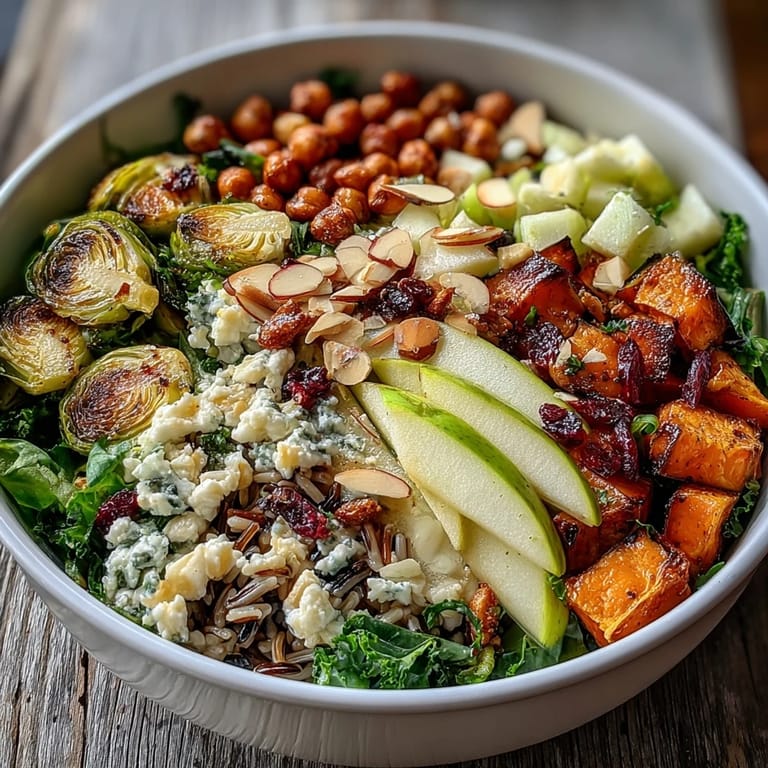
- Divide the massaged kale among four bowls, then add wild rice, roasted sweet potatoes, Brussels sprouts, crispy chickpeas, fresh apple, and celery to each. This is where you decide how full you want them; I like them generously piled.
- Finish with intention:
- Drizzle each bowl with dressing, then scatter sliced almonds and crumbled feta on top. Serve immediately while everything is still warm, or chill it completely for a cold version that's equally good.
 Save
Save My favorite version of this bowl happened on a Sunday when I had friends over and nobody was expected to help with dishes. We sat around eating straight from our bowls, talking about the year ahead, and somehow that simple act of sharing something nourishing felt like the whole point. The bowl wasn't just food; it was a moment where autumn, friendship, and real hunger all lined up perfectly.
Why This Bowl Works
The magic of a harvest bowl isn't in any single ingredient—it's in the layers of texture and temperature working together. You've got warm roasted vegetables, tender grains, soft kale, crispy chickpeas, and fresh apple all in one spoon, which keeps eating interesting bite after bite. The dressing pulls everything into conversation with each other instead of letting them sit as separate components on a plate.
Temperature Play
Serve this warm immediately after assembly, or chill it completely for a different experience entirely. When it's warm, the kale softens further and the cheese gets slightly warm and creamy. When it's cold, everything becomes more pronounced—the apple crispness stands out, the kale texture stays firmer, and the almonds feel crunchier. I've made this both ways for the same person on different days and gotten different reactions both times, which tells me you really can't go wrong.
Customization Without Overthinking It
This bowl is flexible in a way that feels honest rather than wishy-washy. You can swap quinoa or brown rice for wild rice and it'll still taste right, though the personality changes slightly. Add dried cranberries if you want more sweetness, pumpkin seeds for earthiness, or crispy bacon if you're that way inclined. The structure holds together because the kale-wild rice base is solid, and everything else is just embellishment on an already complete idea.
- If you're making this vegan, use a plant-based feta alternative and it genuinely works—the textural contrast is what matters more than the specific cheese.
- Celery can be swapped for thinly sliced red onion if you prefer more sharpness, though the sweetness of the apple balances celery beautifully.
- Make the dressing ahead and store it separately; it keeps for a week and tastes better after a day or two as the flavors marry together.
 Save
Save This Fall Harvest Bowl is the kind of recipe that teaches you something every time you make it, not because it's complicated, but because you start paying attention to small details that actually matter. Make it once and you'll understand why harvest time feels like the most generous season of the year.
Recipe Questions & Answers
- → Can I make this bowl ahead of time?
Yes, you can prepare the components up to 3 days in advance. Store roasted vegetables, chickpeas, rice, and dressing separately in airtight containers in the refrigerator. Assemble just before serving to maintain optimal texture and freshness.
- → What can I substitute for wild rice?
Quinoa, brown rice, or farro work wonderfully as alternatives. Cook according to package directions and adjust liquid ratios as needed. Each grain brings slightly different texture and cooking time to the final dish.
- → How do I make this vegan?
Simply omit the feta cheese or replace it with a plant-based feta alternative. The bowl remains hearty and satisfying thanks to the protein-rich chickpeas, wild rice, and variety of roasted vegetables.
- → Can I use other vegetables?
Absolutely. Butternut squash, parsnips, or carrots can replace or supplement the sweet potatoes. Feel free to add other seasonal vegetables like beets, cauliflower, or broccoli based on what's available and your personal preferences.
- → How long does this keep in the refrigerator?
Properly stored in airtight containers, individual components will keep for 4-5 days. If already assembled, the bowl is best enjoyed within 2-3 days as the vegetables may soften and the toppings can lose their crunch over time.
- → What protein additions work well?
Beyond chickpeas, grilled chicken, roasted tofu, or tempeh make excellent protein additions. Shredded rotisserie chicken or pan-seared salmon also complement the autumn flavors beautifully if you eat seafood or meat.