 Save
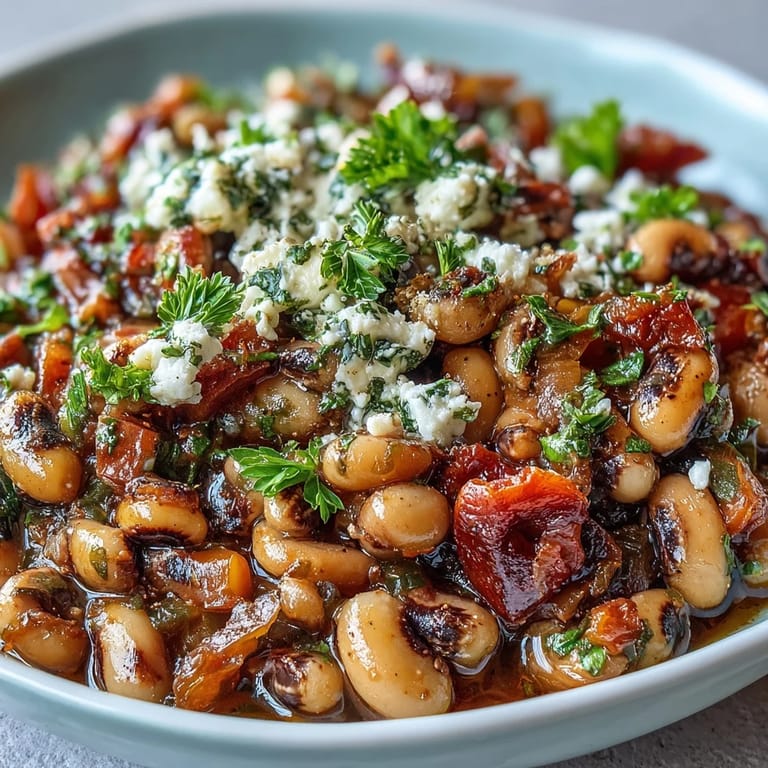
Save There's something about the smell of oregano and tomatoes simmering slowly that makes a kitchen feel like a refuge. Years ago, a Greek neighbor invited me over for lunch, and when I walked into her apartment, that exact aroma wrapped around me like a warm invitation. She was making black-eyed peas the way her grandmother taught her, and watching that humble pot transform into something so deeply satisfying stuck with me. Ever since, I've chased that same feeling in my own kitchen, and this slow cooker version captures it perfectly every time.
I tested this recipe on a rainy Sunday when my partner mentioned feeling under the weather, and I realized halfway through prep that I'd forgotten to soak the peas overnight. Instead of panicking, I just rinsed them thoroughly and let the slow cooker do its gentle work. By dinner time, the kitchen smelled so good that they got out of bed just to eat a bowl, and somehow that simple meal became one of our favorite sick-day traditions.
Ingredients
- Black-eyed peas (2 cups dried): These little legumes are mild and creamy when cooked slowly, and rinsing them thoroughly removes dust while picking them over catches any small stones hiding in the mix.
- Onion, garlic, carrots, and red bell pepper: This vegetable base builds layers of sweetness and depth, with the peppers adding brightness that balances the earthiness of the beans.
- Diced tomatoes and tomato paste: The tomatoes provide acidity and body while the paste concentrates the tomato flavor, creating a sauce that clings beautifully to each pea.
- Vegetable broth (4 cups): This is your cooking liquid and flavor foundation, so use one you actually enjoy tasting, not the saltiest one on the shelf.
- Extra virgin olive oil (1/3 cup): Don't skip or reduce this, as it's not just fat but a carrier of flavor that makes the whole dish taste distinctly Mediterranean and lush.
- Dried oregano, smoked paprika, and cumin: Oregano is the backbone of Greek flavor, paprika adds warmth and a touch of smoke, and cumin (optional) whispers earthiness without taking over.
- Bay leaf: This quiet contributor adds a subtle herbal note that you won't notice is missing until you taste a batch made without it.
Tired of Takeout? 🥡
Get 10 meals you can make faster than delivery arrives. Seriously.
One email. No spam. Unsubscribe anytime.
Instructions
- Prepare and Layer Your Ingredients:
- Chop everything into roughly the same size so they cook evenly, then add the peas and vegetables to your slow cooker in one generous handful. This isn't about perfect layers, just getting everything in the pot and ready to transform.
- Build Your Braising Liquid:
- Pour in the tomatoes with all their juices, the broth, and olive oil, then scatter the herbs and spices on top. Stir everything together until the flavors start mingling, then cover and trust the slow cooker to do the hard work.
- Let Time Do the Work:
- Set it on low and walk away for six to seven hours, allowing the gentle heat to soften the peas and marry all the flavors together. Resist the urge to peek more than once or twice, as each opening lets steam escape.
- Adjust and Finish:
- Fish out the bay leaf with a spoon, taste the broth, and add more salt and pepper if it needs it. Remember that the peas themselves are bland, so they need seasoning to really shine.
- Serve with Joy:
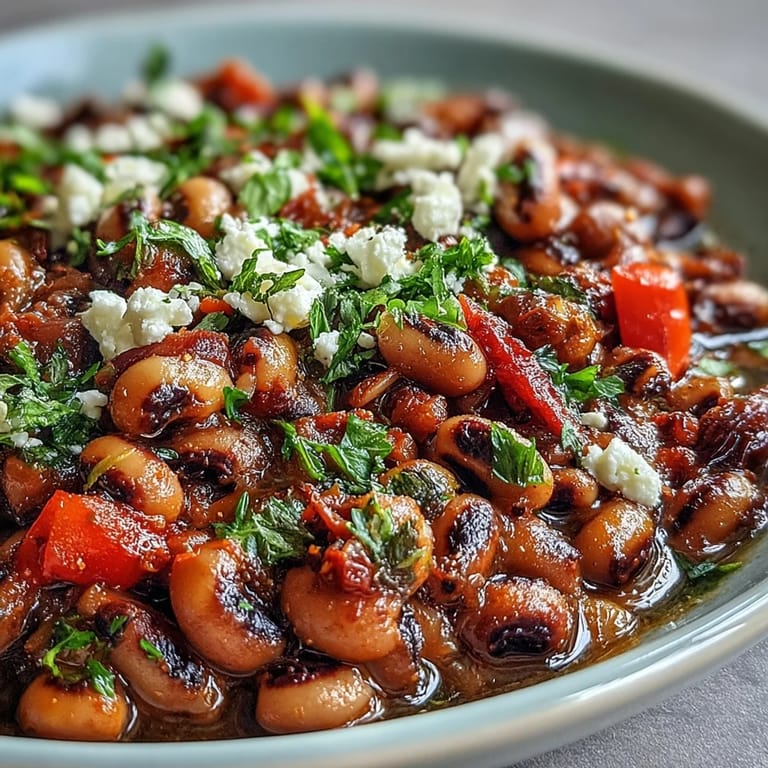
- Ladle into bowls and finish with fresh parsley, crumbled feta if you're not vegan, and a squeeze of lemon to brighten everything up. The lemon is essential, not optional, as it cuts through the richness and makes the flavors pop.
 Save
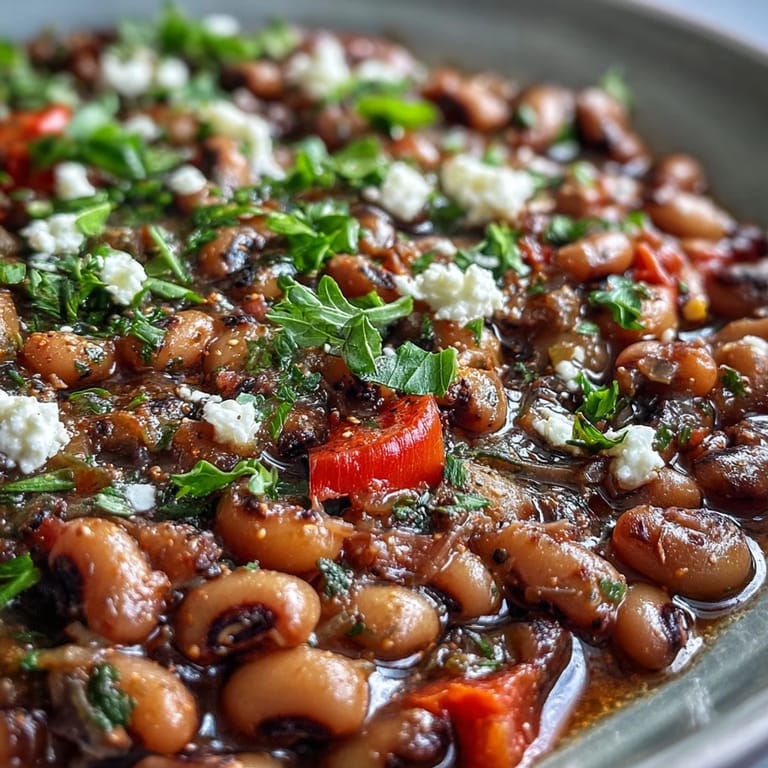
Save My first attempt at this dish was almost a disaster because I got impatient and cranked the heat to high, thinking it would speed things up. The peas fell apart into something that looked like pea soup, and I nearly threw it away until my mother suggested blending half of it to create a creamy textured dish. It ended up being something even better than I'd planned, and now I keep that happy accident in mind whenever I'm tempted to rush the process.
Thickening Your Broth
As noted in the original instructions, if you want a thicker, stewier consistency instead of a brothier one, simply remove the lid for the final thirty minutes of cooking. The slow cooker will gently reduce the liquid, concentrating the flavors and creating a more substantial dish that clings to each spoonful. Some people swear by this method, while others love the soupier version served over rice or with crusty bread for soaking.
Adding Extra Greens
Spinach and kale become wonderfully tender when added in the last thirty minutes of cooking, wilting into the warm broth without turning gray or tough. I've done this countless times when I had leafy greens taking up space in my fridge, and it's never disappointed. The green adds nutritional depth and a slight earthiness that balances the sweetness of the tomatoes beautifully.
Serving Suggestions and Variations
This dish stands completely on its own as a hearty main course, but it also plays beautifully with accompaniments that enhance rather than overshadow it. Crusty bread for soaking up the broth is probably the most satisfying pairing, though some nights I serve it over rice or even alongside roasted vegetables for extra substance. A glass of crisp white wine, ideally a Greek Sauvignon Blanc or Assyrtiko, turns dinner into something that feels a bit more intentional than just eating what's in the slow cooker.
- For extra protein, stir in cooked chickpeas during the last hour if you'd like a heartier texture.
- Fresh dill or mint as a final garnish can replace or accompany the parsley for a different herbaceous note.
- Leftover portions taste even better the next day after the flavors have settled, so make extra if you can.
 Save
Save This is the kind of recipe that feeds your body and your spirit at the same time, which is probably why so many cultures and kitchens have their own version of it. Make it once and it becomes yours.
Recipe Questions & Answers
- → Do I need to soak the black-eyed peas before cooking?
No soaking required. The slow cooker's gentle heat and extended cooking time will soften dried black-eyed peas perfectly. Just rinse them thoroughly and remove any debris before adding to the pot.
- → Can I use canned black-eyed peas instead?
Yes, substitute with four 15-ounce cans, drained and rinsed. Reduce cooking time to 3-4 hours on low or 1.5-2 hours on high since they're already tender.
- → What can I serve with these black-eyed peas?
Crusty bread for dipping, steamed rice, or quinoa make excellent accompaniments. A crisp Greek salad with cucumber, tomatoes, and feta complements the flavors perfectly.
- → How long do leftovers keep?
Store in an airtight container in the refrigerator for up to 5 days. The flavors continue to develop and improve. Reheat gently on the stove or microwave, adding a splash of water if needed.
- → Can I freeze this dish?
Absolutely. Cool completely, portion into freezer-safe containers, and freeze for up to 3 months. Thaw overnight in the refrigerator before reheating.
- → How can I make this more filling?
Add diced potatoes during the first hour, or stir in spinach or kale during the last 30 minutes. Serving over rice or with warm pita bread also creates a more substantial meal.