 Save
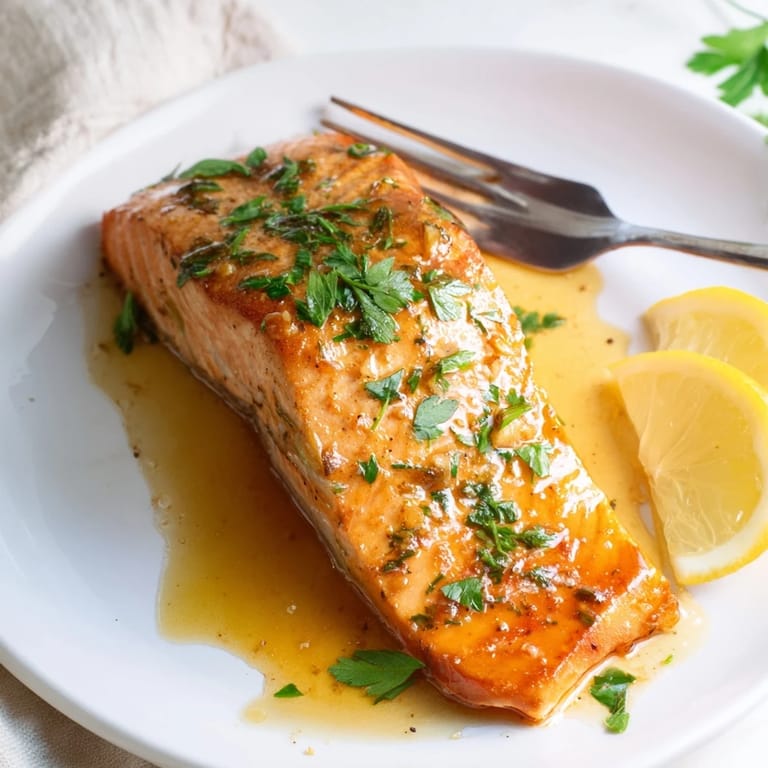
Save My neighbor knocked on my door one Tuesday evening holding a grocery bag full of salmon she couldn't use before leaving town. I wasn't planning to cook that night, but the fillets looked too good to waste. I remembered a glaze I'd scribbled on a sticky note months earlier and decided to wing it. Twenty minutes later, my kitchen smelled like caramelized honey and garlic, and I sat down to one of the best dinners I'd made all year.
I made this for my parents the next weekend, and my dad, who usually just nods politely at my cooking experiments, asked for the recipe. My mom kept sneaking extra spoonfuls of the pan glaze onto her plate. It became my go to whenever I want to impress someone without spending all evening in the kitchen.
Ingredients
- 4 salmon fillets (about 170 g or 6 oz each), skin on or skinless: I prefer skin on because it crisps up nicely and helps hold the fillet together, but skinless works just as well if that's what you have.
- Salt and freshly ground black pepper, to taste: A light seasoning is all you need since the glaze is already packed with flavor.
- 3 tablespoons honey: This is what gives the glaze its sticky, caramelized sweetness, and it balances the salty soy sauce perfectly.
- 2 tablespoons unsalted butter, melted: Butter adds richness and helps the glaze cling to the salmon instead of sliding off.
- 3 cloves garlic, minced: Fresh garlic makes all the difference here, don't swap it for powder if you can help it.
- 1 tablespoon soy sauce (use gluten free if needed): This brings the savory umami depth that keeps the glaze from being too sweet.
- 1 tablespoon fresh lemon juice: A little acid brightens everything up and cuts through the richness of the butter and honey.
- 1 teaspoon Dijon mustard (optional, for extra depth): I started adding this after a happy accident, and now I never skip it, it adds a subtle tang that rounds out the flavors.
- 1 tablespoon chopped fresh parsley: A quick sprinkle at the end makes it look and taste fresher.
- Lemon wedges, for serving: A squeeze of lemon right before eating is the perfect finishing touch.
Tired of Takeout? 🥡
Get 10 meals you can make faster than delivery arrives. Seriously.
One email. No spam. Unsubscribe anytime.
Instructions
- Preheat and Prep:
- Set your oven to 200°C (400°F) and line a baking tray with parchment paper or give it a light greasing. Pat the salmon fillets completely dry with paper towels, this helps the glaze stick better and prevents steaming.
- Season the Salmon:
- Arrange the fillets on the tray and season both sides with a pinch of salt and a few grinds of black pepper. Don't overdo it, the glaze will add plenty of flavor.
- Mix the Glaze:
- In a small bowl, whisk together the honey, melted butter, minced garlic, soy sauce, lemon juice, and Dijon mustard if you're using it. It should look glossy and smell incredible.
- Brush the Fillets:
- Use a pastry brush to coat the top and sides of each salmon fillet generously with the glaze. Save a little for basting later if you like.
- Roast:
- Slide the tray into the oven and roast for 12 to 15 minutes, depending on the thickness of your fillets. The salmon should flake easily with a fork and look opaque in the center.
- Caramelize (Optional but Worth It):
- Switch your oven to broil for the last 1 to 2 minutes to get those gorgeous caramelized edges. Watch it closely so it doesn't burn.
- Finish and Serve:
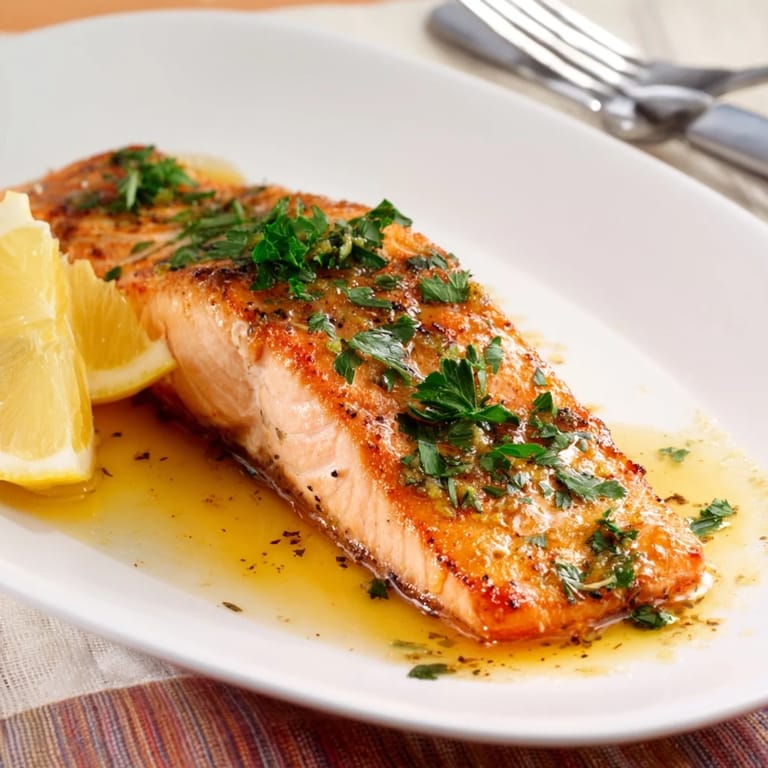
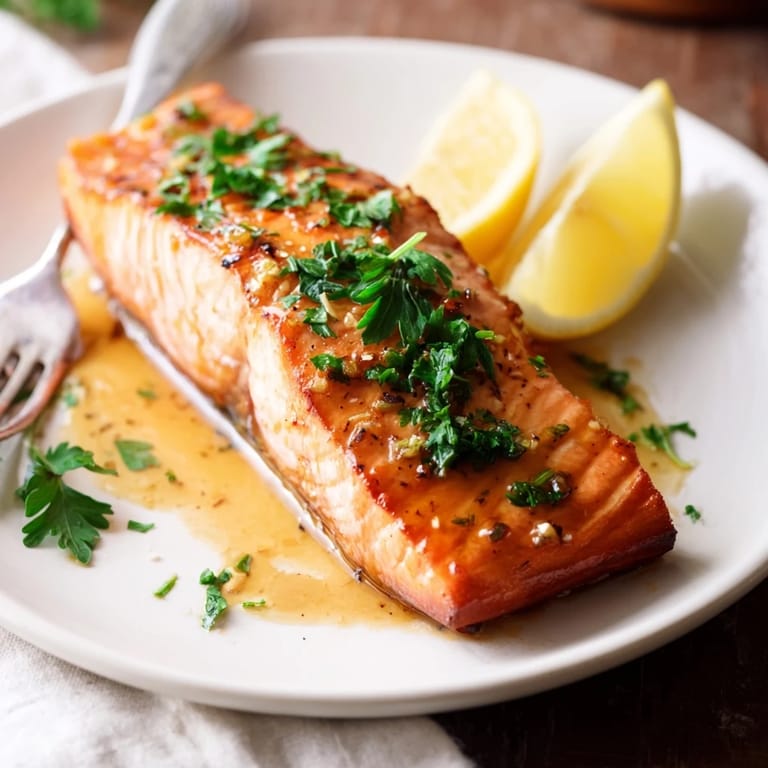
- Remove the tray from the oven and spoon any sticky pan juices over the salmon. Sprinkle with chopped parsley and serve with lemon wedges on the side.
 Save
Save The first time I served this to friends, one of them scraped the baking tray with her finger to get the last bit of glaze. We laughed about it, but secretly I was proud. When a dish makes people forget their manners, you know you've done something right.
What to Serve It With
I usually serve this salmon over steamed jasmine rice or alongside roasted broccoli and sweet potatoes. The glaze drips down into the rice and turns it into the best part of the plate. A simple green salad with a lemony vinaigrette also works beautifully if you want to keep things lighter.
How to Store Leftovers
Leftover salmon keeps in an airtight container in the fridge for up to two days. I like to flake it over salads or toss it with noodles and a bit of sesame oil. Reheat gently in the microwave or enjoy it cold, it's surprisingly good straight from the fridge.
Ways to Make It Your Own
This recipe is flexible enough to handle a few tweaks. If you like heat, stir a pinch of crushed red pepper flakes into the glaze. Swap the honey for maple syrup if that's what you have on hand, it gives a slightly deeper, more earthy sweetness. You can also add a teaspoon of grated fresh ginger to the glaze for a warming, spicy note.
- Try sprinkling sesame seeds over the salmon before roasting for a nutty crunch.
- Use lime juice instead of lemon for a slightly different citrus twist.
- If you're out of soy sauce, tamari or coconut aminos work just as well.
 Save
Save This salmon has become my answer to the what should I make tonight question more times than I can count. It's quick, it's reliable, and it always feels like a treat.
Recipe Questions & Answers
- → Can I use frozen salmon fillets?
Yes, thaw frozen salmon completely before cooking to ensure even roasting. Pat dry thoroughly to help the glaze adhere properly.
- → What can I serve alongside this dish?
Steamed rice, roasted vegetables, or a fresh green salad complement this beautifully. The lemon wedges add brightness to any side.
- → How do I know when the salmon is fully cooked?
The salmon should flake easily with a fork and reach an internal temperature of 63°C (145°F). It will be opaque throughout with no translucent center.
- → Can I prepare the glaze ahead of time?
Absolutely. Mix the glaze components up to 2 hours beforehand and store in the refrigerator. Bring to room temperature and stir before brushing onto salmon.
- → Is this suitable for dietary restrictions?
This dish is naturally pescatarian and gluten-free when using gluten-free soy sauce. Always check labels if you have specific allergies, as it contains fish, soy, and dairy.
- → What's the best way to achieve caramelization?
After roasting, switch to the broiler for the final 1-2 minutes to caramelize the glaze. Watch closely to prevent burning, as high heat browns quickly.