 Save
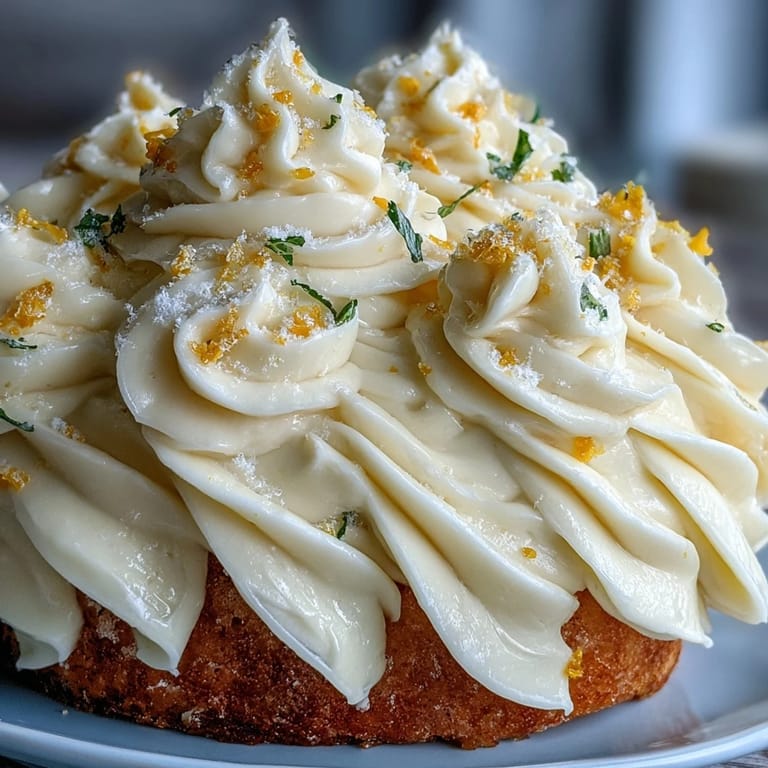
Save The scent of fresh lemon zest wafted through my kitchen the first time I made this cake, instantly brightening even a rainy afternoon. There was something captivating about combining simple pantry staples with a burst of citrus—each step woke up my senses a little more. My playlist was humming, and I caught myself swaying as I sifted flour and twirled pans around the counter. Truth be told, I'd never actually baked with edible flowers until I decided to try this recipe. Now, splashes of violet and gold atop a swirled frosting seem almost essential for any celebration.
I remember making this for my cousin's spring baby shower—halfway through frosting, she wandered in, bare feet and belly-first, laughing about craving anything lemon. We found ourselves sneaking frosting with our fingers, eyes wide at how good it was, before finally pressing tiny pansies into the top together. The resulting cake had everyone circling back for seconds, some just as entranced by the flowers as the flavor. There was something effervescent about the whole day, made sweeter by the care poured into every layer. I think that's when I realized this cake isn't just about the taste—it's about gathering people and creating an occasion.
Ingredients
- All-purpose flour: Gives the cake structure; I always fluff and spoon it into the cup to avoid a dense crumb.
- Baking powder & baking soda: Essential for a tender, airy rise that pairs beautifully with citrus flavors.
- Salt: Just enough to sharpen the lemony brightness without tipping into savory.
- Unsalted butter: Room temperature is key for blending smoothly and creating that soft, melt-in-your-mouth crumb.
- Granulated sugar: Balances the tang of lemon while adding gentle sweetness throughout every bite.
- Large eggs: Make sure they're at room temp; it helps the batter stay creamy and emulsified.
- Lemon zest & juice: Fresh only—nothing beats their zing, and zest adds speckles of color.
- Vanilla extract: Adds warmth and depth; try a real extract for a fuller finish.
- Buttermilk: The secret to keeping every layer moist; stir gently before measuring.
- Cream cheese (for frosting): Let it soften first for the silkiest results.
- Powdered sugar: Sift to avoid lumps in your frosting—trust me, it matters.
- Edible flowers: Choose unsprayed, thoroughly washed blooms for a stunning and safe decoration.
Tired of Takeout? 🥡
Get 10 meals you can make faster than delivery arrives. Seriously.
One email. No spam. Unsubscribe anytime.
Instructions
- Get everything ready:
- Start by preheating your oven to 350°F (175°C) and lining two 8-inch cake pans—nothing worse than cake sticking at the finish line.
- Mix the dry ingredients:
- In a separate bowl, whisk together the flour, baking powder, baking soda, and salt until everything is evenly distributed and light.
- Cream butter and sugar:
- Beat the butter and sugar for three minutes until pale and fluffy—the quiet transformation is always satisfying.
- Add eggs and flavors:
- Beat in the eggs one by one, then stir in the lemon zest, juice, and vanilla; the mix smells almost like sunshine at this point.
- Alternate wet and dry:
- Gently fold in the flour mixture and buttermilk, alternating as you go and ending with flour—just enough mixing to bring it together.
- Bake the cake layers:
- Divide the silky batter between your pans, smooth the tops, and bake for 28–32 minutes until golden and a toothpick comes out clean.
- Cool completely:
- Let cakes rest 10 minutes in the pans, then turn them onto a wire rack so the crumb stays perfect.
- Make the frosting:
- In a large bowl, beat the cream cheese and butter until creamy, slowly adding powdered sugar, then lemon zest, juice, and vanilla for a bright finish.
- Build the cake:
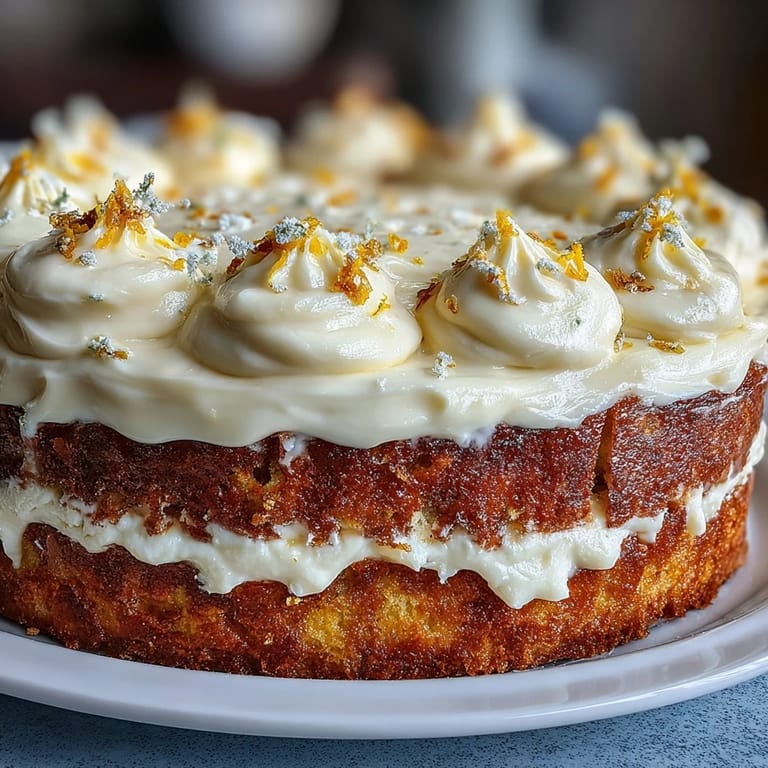
- Place the first layer on your plate, add a generous blanket of frosting, set the next layer on top, and frost the whole cake with swirls.
- Decorate and serve:
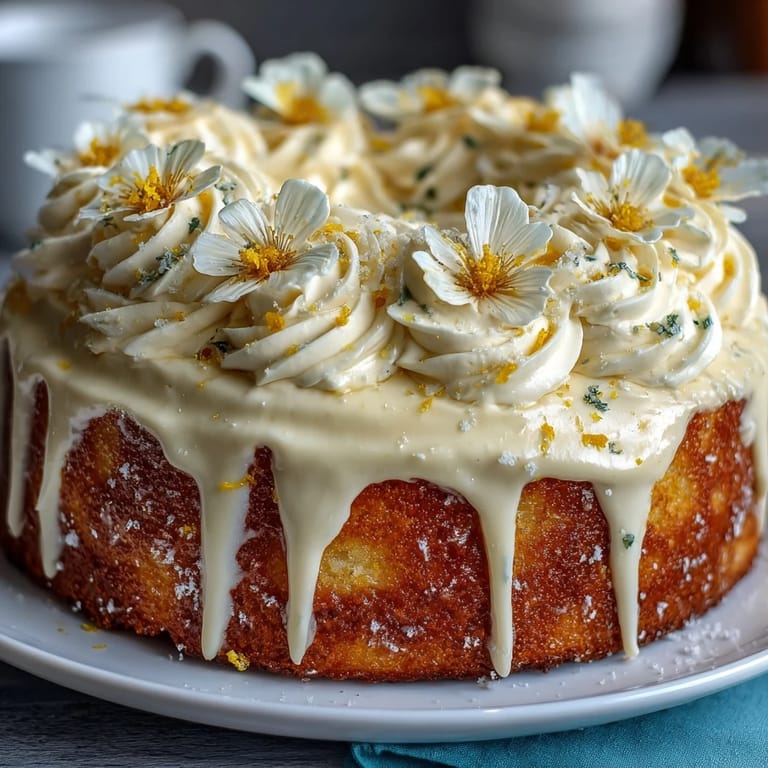
- Just before serving, crown it with edible flowers—stand back and admire before slicing into sunshine.
 Save
Save 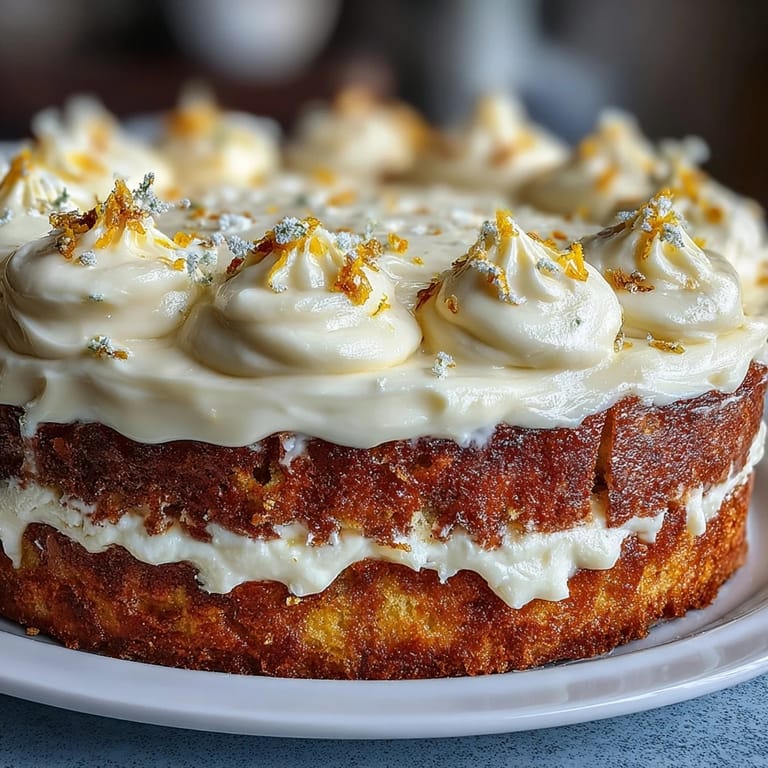 Save
Save One time I arrived with this cake, and a friend I hadn’t seen in years walked up just as I set it down—they recognized it instantly from a photo I’d shared. That conversation, sparked by layers of lemon and petals, led to hours catching up around the dessert table. Every slice handed out felt like an invitation to join in, smiles blooming over every plate. It's just funny how food can draw memories and old friends out of thin air. That’s why I keep this recipe close, for moments that instantly become keepsakes.
Choosing and Prepping Edible Flowers
I always source my flowers from a local shop that labels blooms as edible—never from the garden center or a bouquet. Before decorating, I gently rinse each flower under cool water and pat them completely dry on a clean tea towel. It’s worth taking the extra minute so no stray stem or petal surprises your guests. Even better, the bright colors and delicate shapes feel like confetti you can eat. Watching someone’s delighted reaction to beautiful, safe-to-eat flowers never gets old.
Making Ahead and Storing
You can bake the cake layers a day in advance, wrap them tightly, and leave them at room temperature, which divides the work and keeps things stress-free. The frosting also chills beautifully—just let it warm a bit and beat again to restore its cloudlike smoothness. Store the finished cake covered in the fridge if you're prepping a day early, but always put flowers on just before serving. Slice the cake cold for the neatest pieces, but let them warm up for flavor to really bloom. Having leftovers is rare, but they last beautifully for several days.
Troubleshooting the Softest Crumb
If the cake ever feels dense, I’ve found it almost always comes down to over-mixing the batter or packing the flour. Measure flour gently and combine the batter just until the last streak disappears for the fluffiest result. Be forgiving if your layers dome—just trim a bit for stacking and snack on the scraps while frosting.
- Always check your oven temperature with an oven thermometer.
- If your frosting is too soft, chill it briefly before decorating.
- Don’t crowd the flowers—sometimes less makes more impact.
 Save
Save 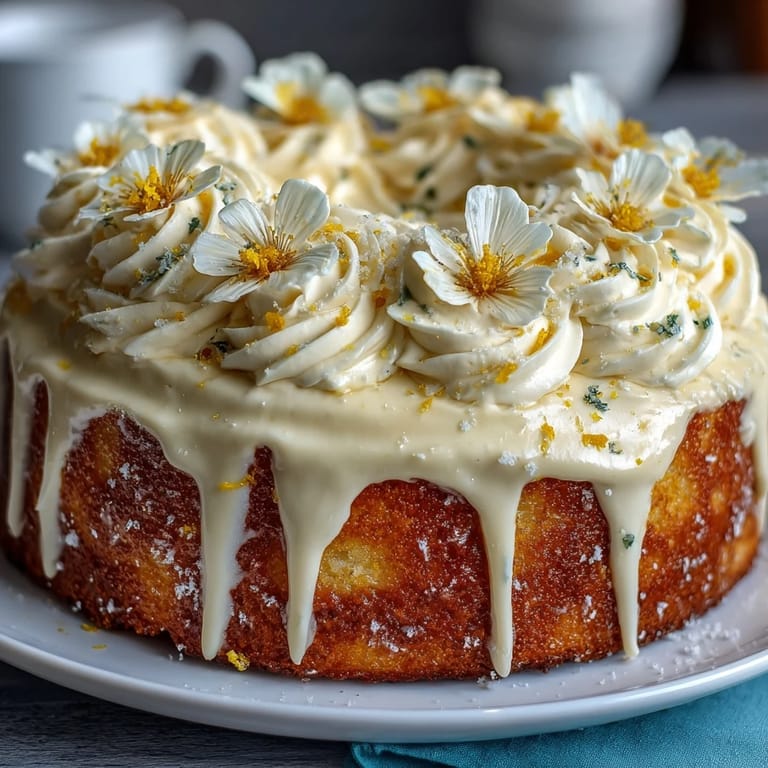 Save
Save May this lemon sunshine cake add a touch of festivity to your celebration, and may you savor each slice surrounded by laughter. It's the kind of cake worth making just because the occasion calls for something a little joyful and bright.
Recipe Questions & Answers
- → Can I substitute buttermilk?
Yes. For 1 cup buttermilk, stir 1 tablespoon lemon juice or white vinegar into 1 cup milk and let sit 5 minutes. This mimics the acidity and helps tenderize the crumb.
- → How do I prevent the layers from sinking?
Avoid overmixing once the dry ingredients are added; mix just until combined. Make sure leaveners are fresh and the oven is fully preheated to 350°F (175°C) before baking.
- → How should I prepare edible flowers?
Use only edible, unsprayed flowers from a trusted source. Gently wash and pat dry, remove stems, and add them to the cake just before serving to preserve color and freshness.
- → Can the cake be made in advance?
Yes. Bake layers a day ahead, wrap tightly in plastic, and keep at room temperature. Frost on the day of serving for best texture and appearance.
- → How can I reduce the frosting sweetness?
Reduce the powdered sugar slightly and boost lemon zest and a touch of lemon juice to maintain bright flavor without losing spreadable consistency.
- → What is the best way to achieve a smooth frosting finish?
Chill the crumb-coated cake briefly, then use an offset spatula and a bench scraper, rotating the cake on a turntable for a smooth, even finish. Work with slightly chilled frosting for control.